Home Lock and Security Guides
Compare rekeying, deadbolts, smart locks, and other home-security choices for Washington DC houses and apartments.
Moving into a DC rowhouse, replacing a worn deadbolt, and managing keys in a condo involve different decisions. Start with the lock and door you have, who needs access, and any building rules that affect changes.
Residential Articles
-
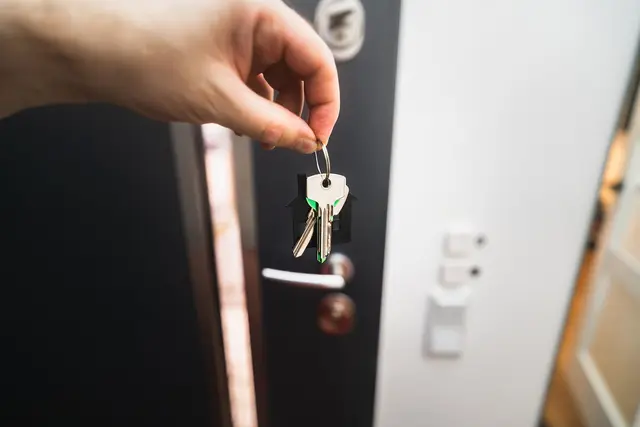
A Practical Plan to Reduce Home Lockouts
A routine and a usable backup help more than a promise that one type of lock can make lockouts impossible.
-
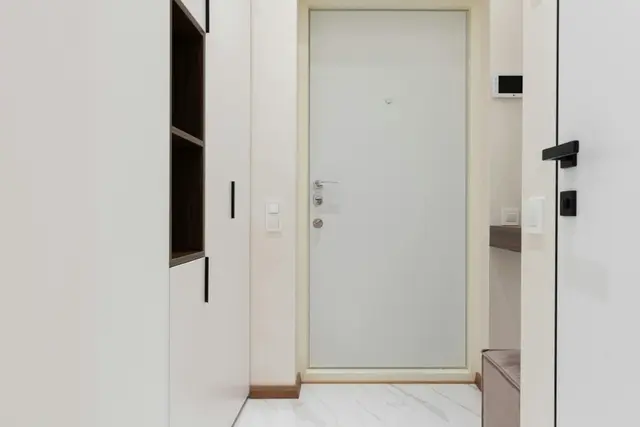
A Smart Lock Buying Checklist for DC Homes
Start with the existing door, then compare the exact model’s access, account, connection, and backup requirements.
-
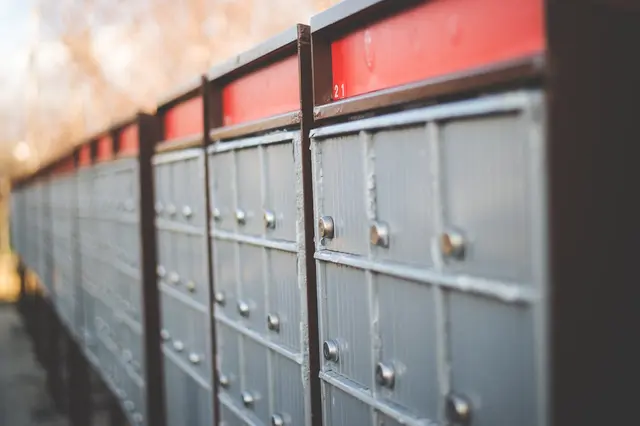
Mailbox Lock Replacement: Who to Contact First
The first question is who maintains the mailbox. A private compartment, USPS-owned box, and postal carrier access lock follow different routes.
-
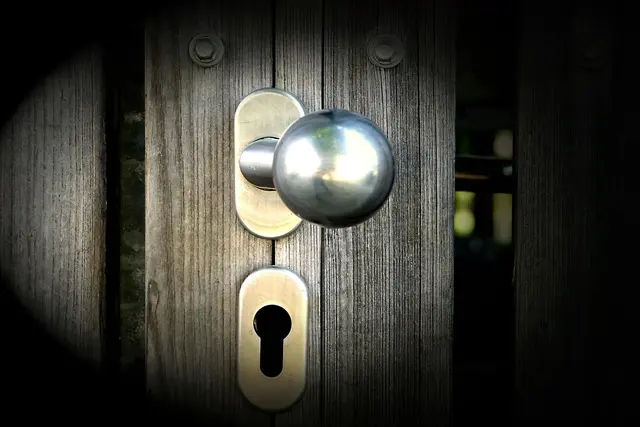
Mechanical or Smart Deadbolt: What Changes?
A smart lock can also be a deadbolt. Compare the physical opening separately from the way you manage keys, codes, and connected access.
-
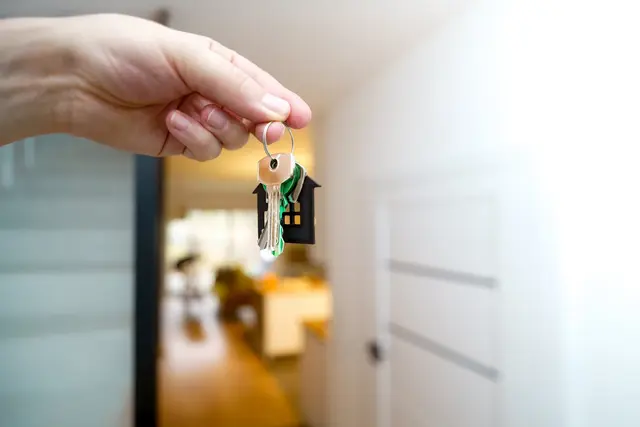
Moving Into a DC Home: Review Keys and Access
Move-in security starts with an inventory of existing access, followed by rekeying, repairs, or account changes that suit the property.
-
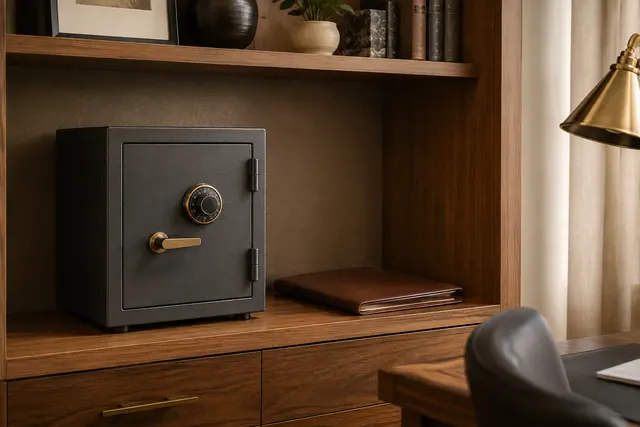
Plan a Home Safe Installation Before Delivery
The safe’s location, supporting structure, delivery route, and approved anchoring are part of the installation decision.
-
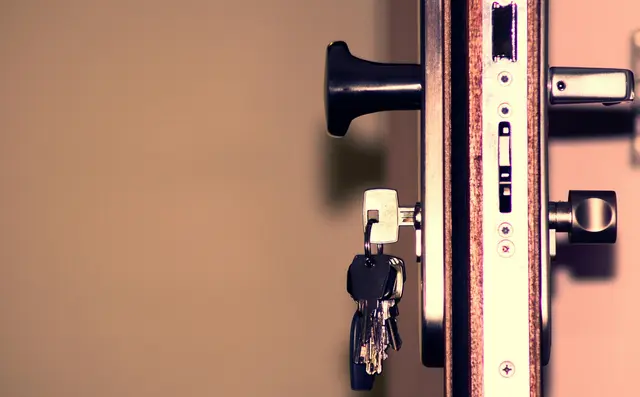
Rekeying or Replacing a Lock: Which Fits the Problem?
Rekeying changes which key operates compatible hardware. Replacement changes hardware or function. The right choice starts with what is wrong.
-
When Is a Higher-Security Lock Worth Considering?
A stronger cylinder can address a specific need, but the key policy, door assembly, and product evidence matter as much as the label.
Need Help With a Specific Job?
Describe the lock, door, or vehicle problem and where it is in Washington DC. Ask about availability and the scope of the quote before arranging a visit.