Understand how your door locks
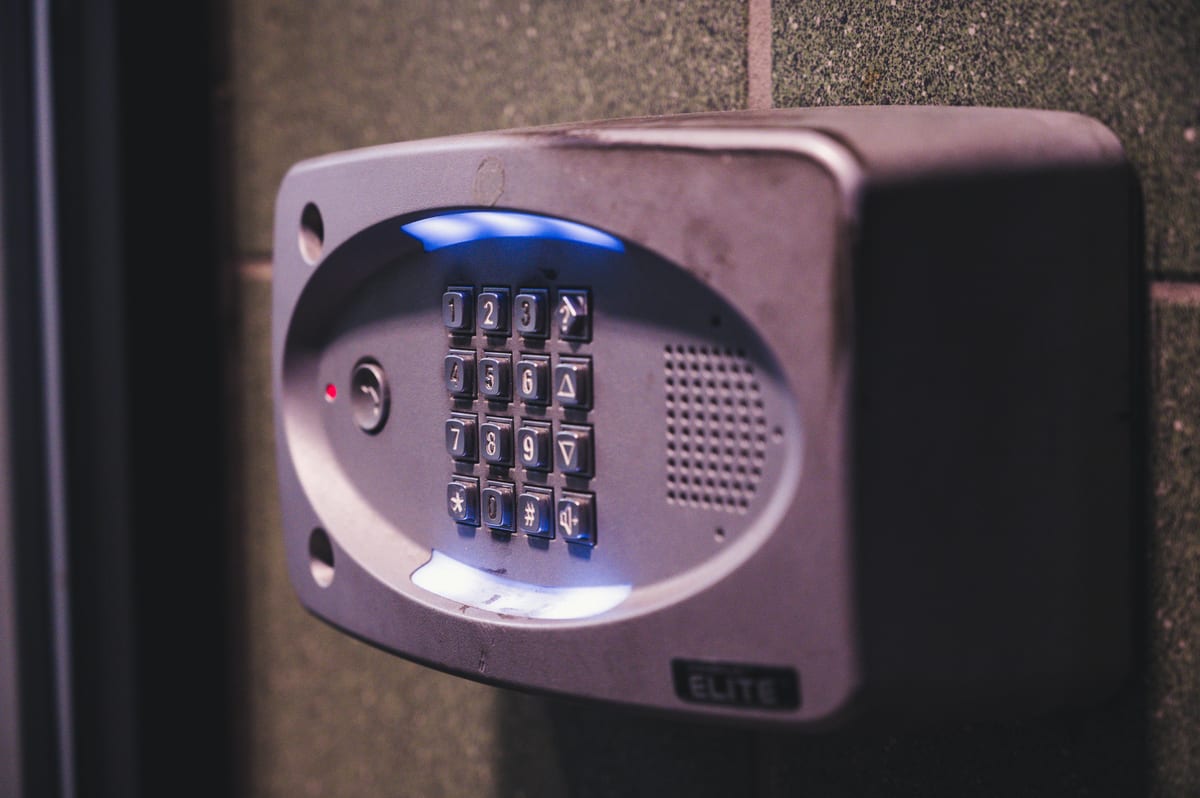
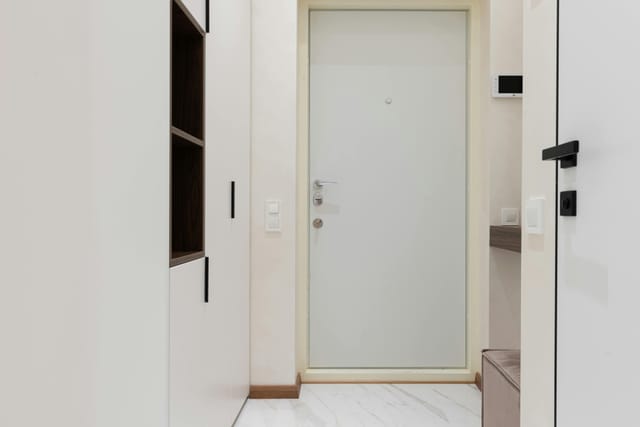
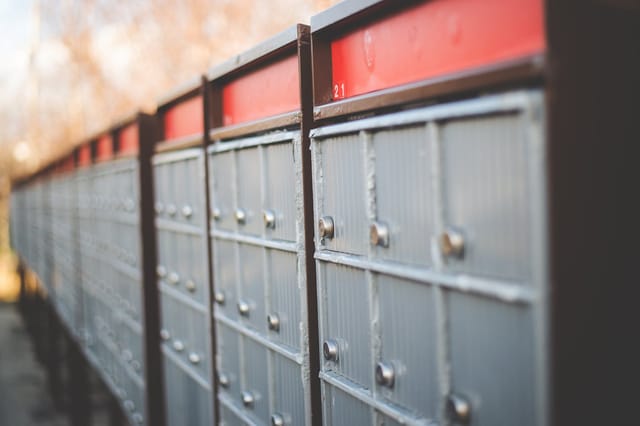
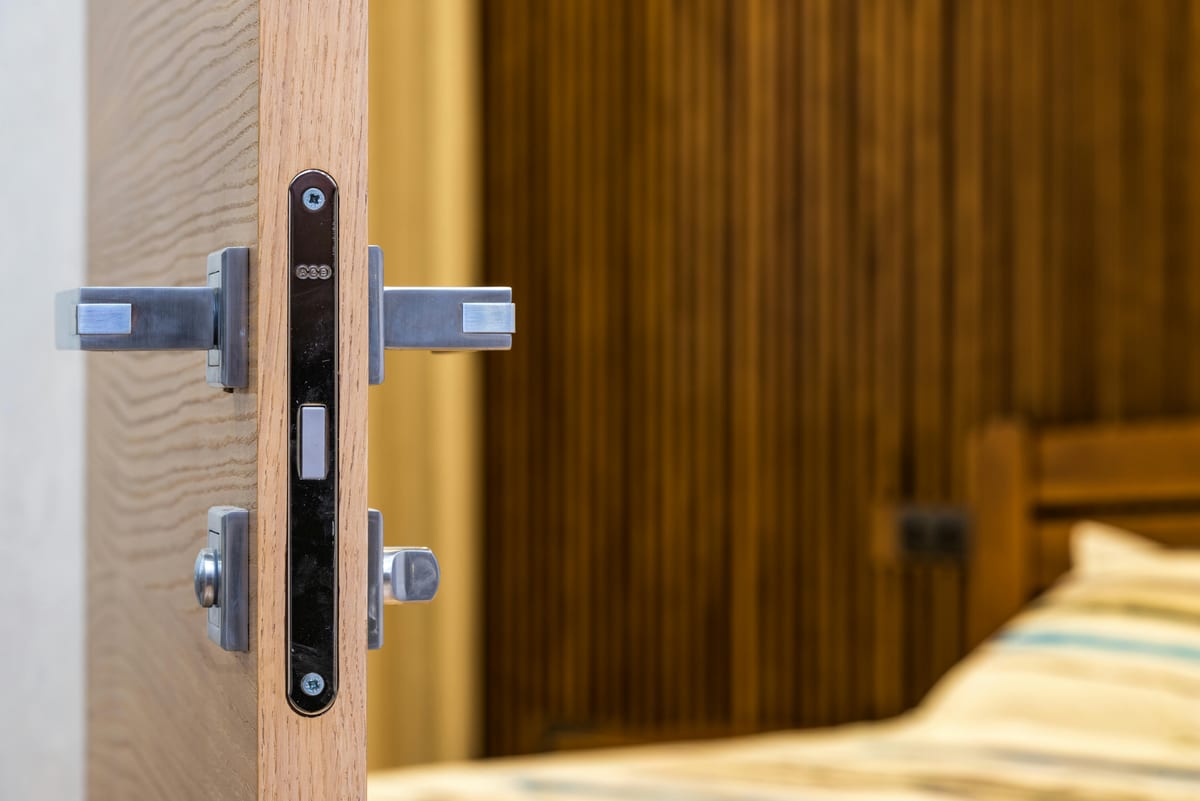
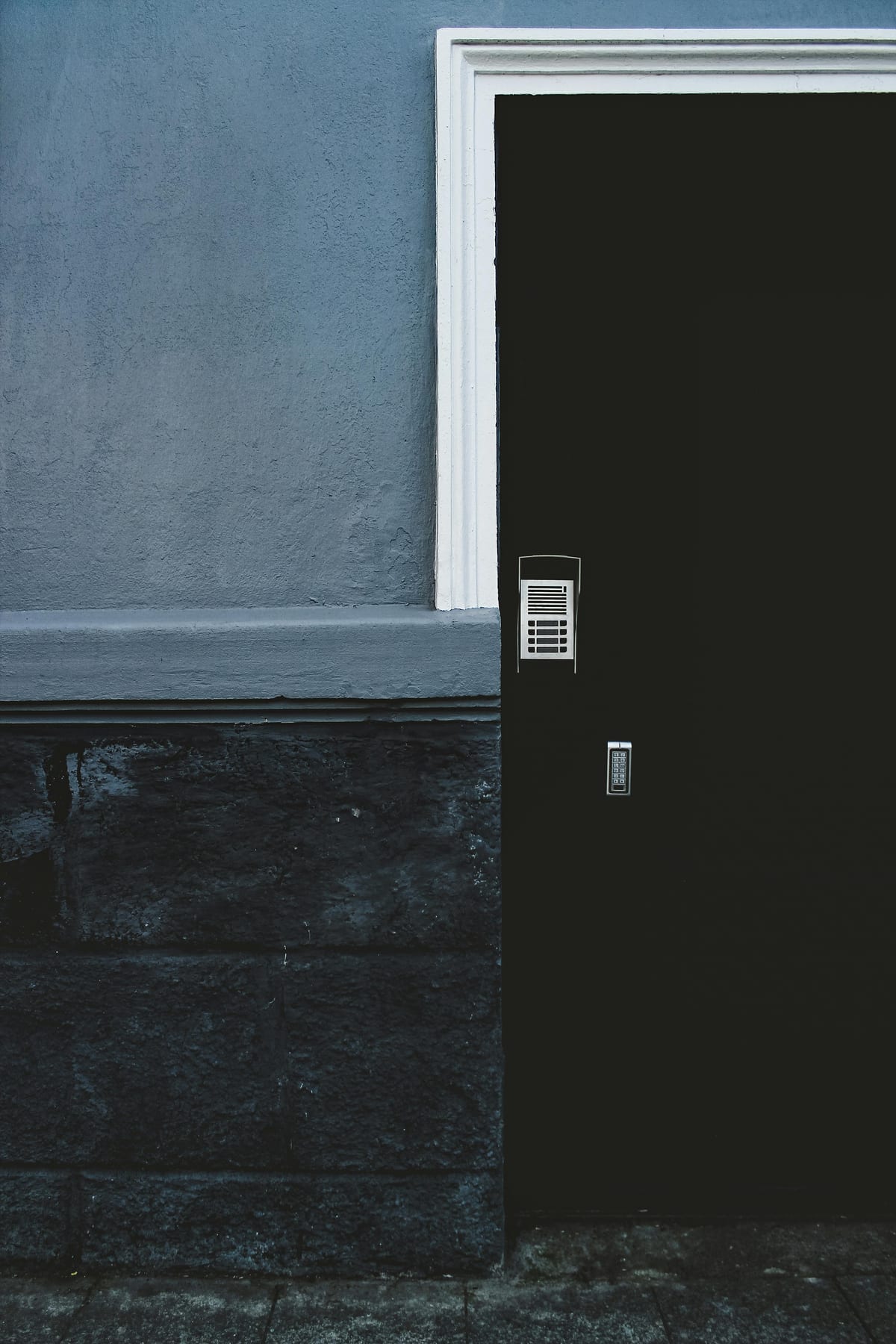
Check whether the entrance locks automatically, requires a key to lock from outside, or follows an electronic schedule. Shared building entrances and your own unit door may work differently. Read the instructions for the installed hardware rather than assuming a deadbolt or keypad behaves a particular way.
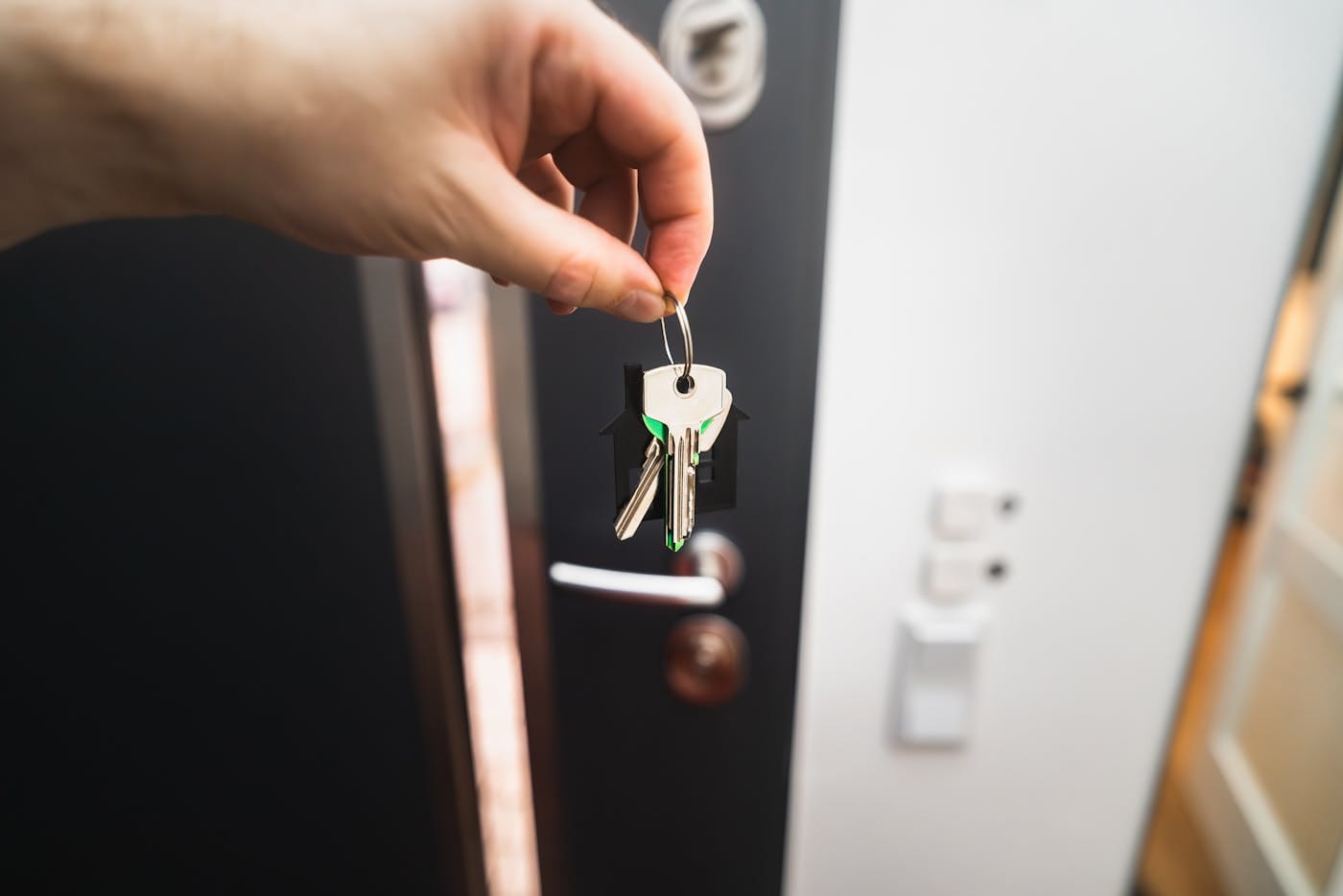
Before closing the door, make a habit of confirming that the key or credential you need is with you. Keep it in a consistent, accessible place. The routine should cover the building entrance as well as the home’s door.
Arrange backup access you can actually use
Choose a trusted person or an approved building contact who can help when your normal access is unavailable. Agree where the spare is kept and how to reach that person. A spare inside the locked home is not useful during a lockout.
DC Police advises against hiding spare keys outside. Avoid turning an easy-to-find hiding place into an unrecorded access route. If a property uses a lockbox or other shared arrangement, follow the owner’s security policy and keep its access controlled.
Treat a smart lock as another system to maintain
Electronic credentials can reduce dependence on a physical key, but batteries, a forgotten code, account access, and mechanical faults can still interrupt entry. Check the low-battery warnings and replacement instructions for the exact model.
Confirm what remains usable when a phone, network connection, or lock battery is unavailable. Not every model has a physical key or an emergency-power terminal. Keep any permitted fallback outside the failure it is meant to solve. The smart-lock buying guide includes these questions.
Address a developing fault
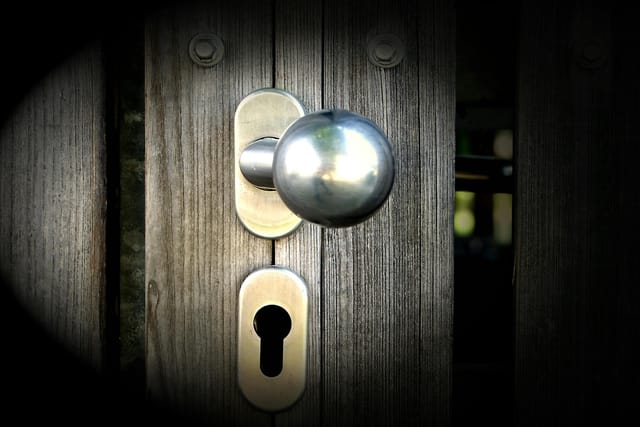
A key that becomes difficult to turn or a bolt that scrapes the strike deserves attention before access fails. Do not repeatedly force it or apply an arbitrary lubricant. Follow the manufacturer’s care instructions and have the opening assessed when the cause is unclear.
Do not disable self-closing, self-latching, or shared access hardware to reduce lockouts. That can undermine other requirements for the entrance. Discuss a suitable solution with the owner or building manager.
Keep a simple response plan
Save the building contact and a service number somewhere you can reach without entering the home. If you are locked out, check trusted backup access and wait in a safe location. Avoid climbing, breaking glass, or forcing the door during an ordinary lockout.
If anyone is in immediate danger, call 911 first. Otherwise, the home lockout guide explains what to confirm when seeking help. Call (202) 830-0706 with the location and problem to check current availability.