

DC Business Security
Panic Bar Installation and Repair in DC
Match the exit device to the opening and its required function
- Describe the entrance, existing hardware, and access needs.
- Confirm who controls keys and authorizes access changes.
- Agree on specifications, scope, and the required service records.
Credentials
Prepare for Commercial Locksmith Work
Describe the Door, Lock, or Vehicle
Confirm the Scope and Full Quote
Prepare Property or Vehicle Authorization
Document Who Needs Access
05 / 05
Contact DC Local Locksmith
Call or text with the location and a description of the work. Ask about availability and the full quote.
What We Offer
Device Identification
Record the manufacturer and model, whether the latch is at the edge or uses rods, and any fire-door labels.
Repair or Replacement
Describe sticking, a loose bar, failure to latch, damaged outside trim, or an alarm that does not operate as intended.
Outside Access
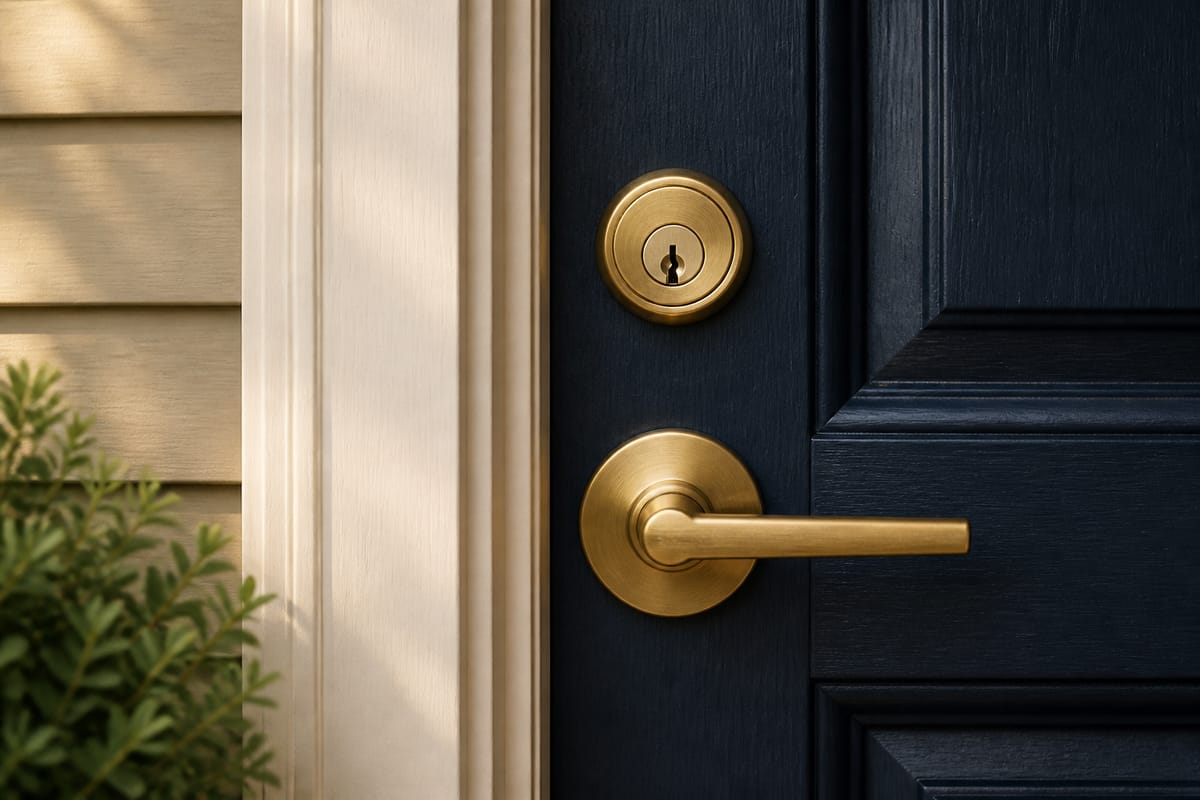
Specify whether entry should use a key, reader, or other approved method while preserving the required exit function.
Door Alignment
Have sagging hinges, rubbing edges, closer operation, and strike alignment assessed with the device.
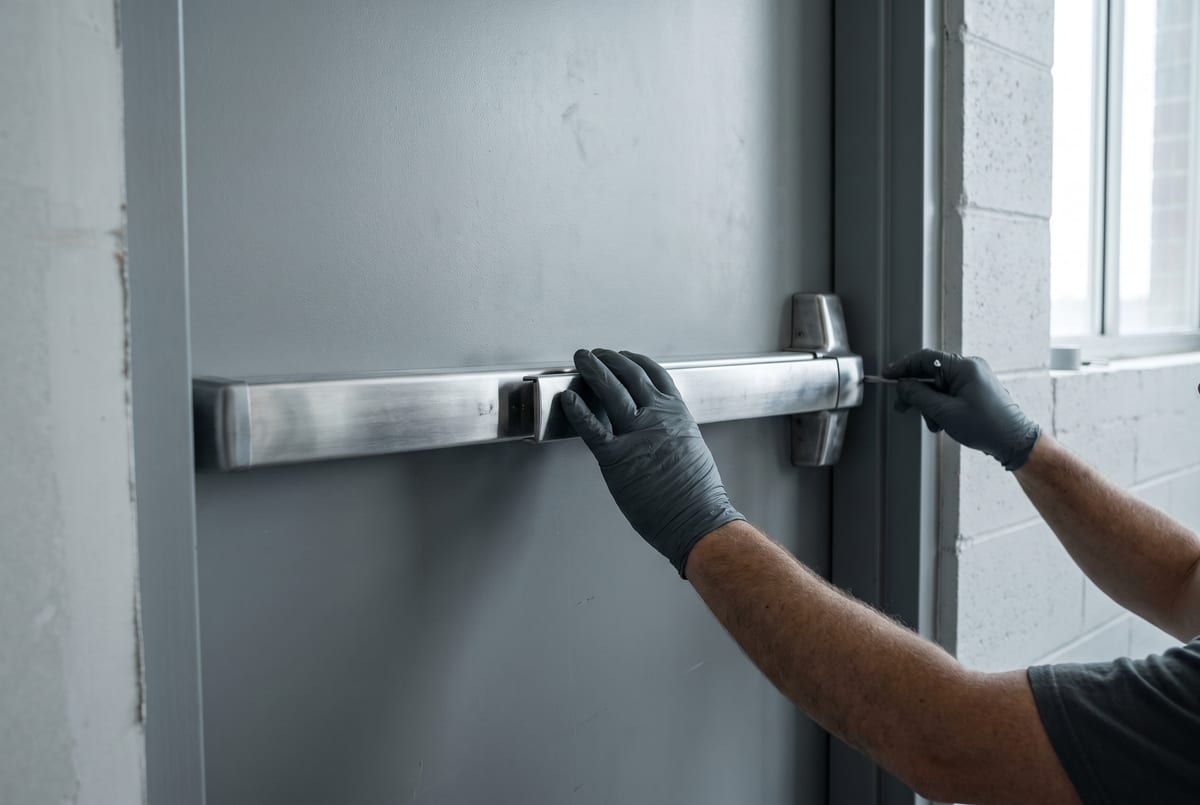
Diagnose the Complete Door Opening
A difficult-to-push bar does not always mean the bar itself is the only fault. A sagging door can load the latch against the strike. A damaged closer can prevent consistent closing. Loose fasteners, worn internal components, and damaged rods can also affect an exit device.
Describe when the symptom occurs and whether the door closes and latches without assistance. Provide photos of visible labels and hardware, but have the operating fault assessed at the opening before selecting replacement parts.
Select the Correct Type of Exit Device
Rim, mortise, and vertical-rod arrangements attach and latch differently. The door preparation, pair configuration, available mounting space, outside trim, and required ratings all affect selection. A device that looks similar may not be a compatible replacement.
Allegion’s explanation of panic and fire exit hardware distinguishes ordinary panic devices from hardware tested for fire-door applications. The applicable listing must be checked for the particular assembly.
Plan Entry, Exit, and Alarm Functions Separately
Decide how authorized people enter from outside, how occupants leave, and whether an alarm should report use of the door. An audible exit alarm is different from hardware that delays or controls release. Do not substitute one for another without a reviewed design.
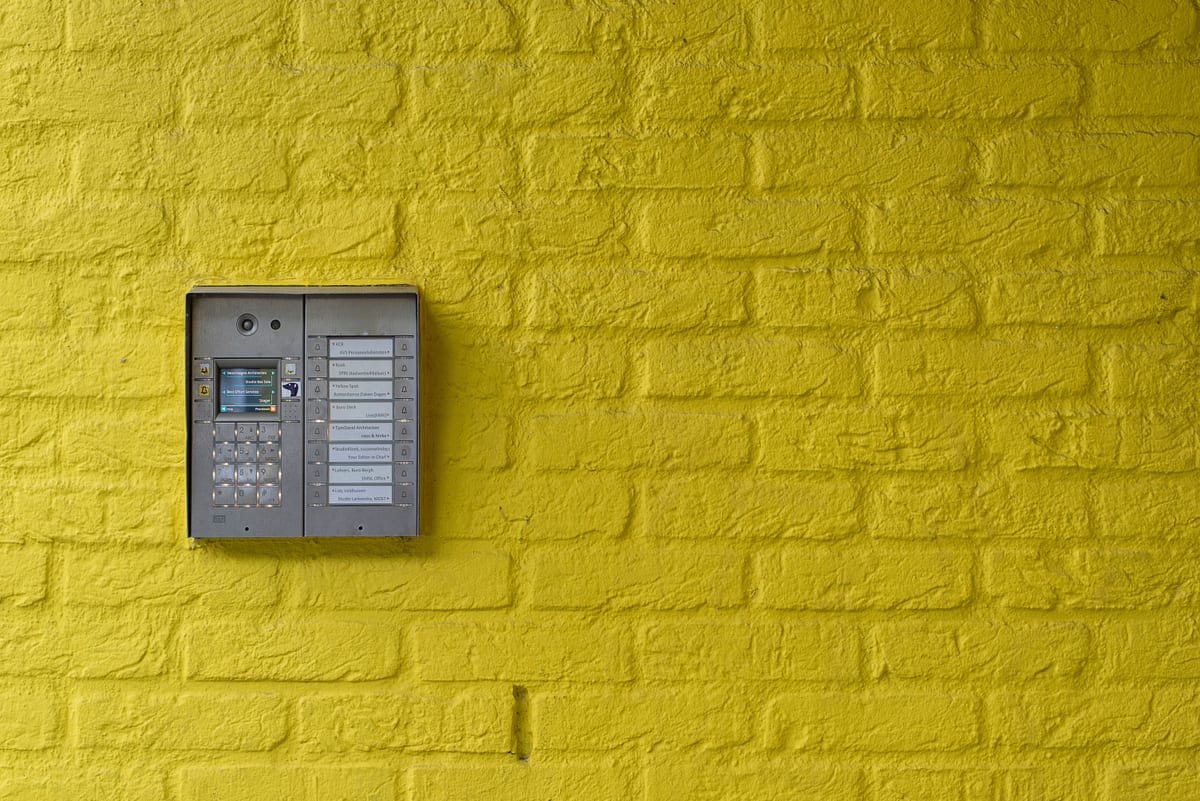
If access control is involved, confirm the approved lock function, controller and power requirements, emergency operation, and the responsibilities of each trade. Commercial access-control planning covers those questions.
Arrange Repair or Replacement
Call (202) 830-0706 with the site address, device model, and symptoms. Identify the person who can approve the work and any building access restrictions. Ask which parts, adjustments, testing, and records the proposed quote includes.
For a labelled fire door, also review fire exit hardware. If the door or frame is damaged, include commercial door repair in the assessment rather than replacing the bar alone.
Security Comparison
Mechanical Key Control and Electronic Access
| Planning Question | Mechanical Keys | Electronic Credentials |
|---|---|---|
| Issuing access | Track authorized keys and who holds them | Assign permissions in the supported system |
| Removing access | May require rekeying when an unreturned key still works | Deactivate credentials through the system administrator |
| Records | Depends on the key register and issue process | Depends on configured logs and retention settings |
| Compatibility | Confirm cylinders, keyways, and key-system authority | Confirm readers, controllers, software, and door hardware |
A restricted key program is only effective with a documented authorization process. Electronic access does not by itself establish regulatory compliance.
Lock and Hardware Brands
















Questions About Commercial Security?
We Answer the Phone.
Site assessments available business hours and after hours. Quoted before dispatch.
(202) 830-0706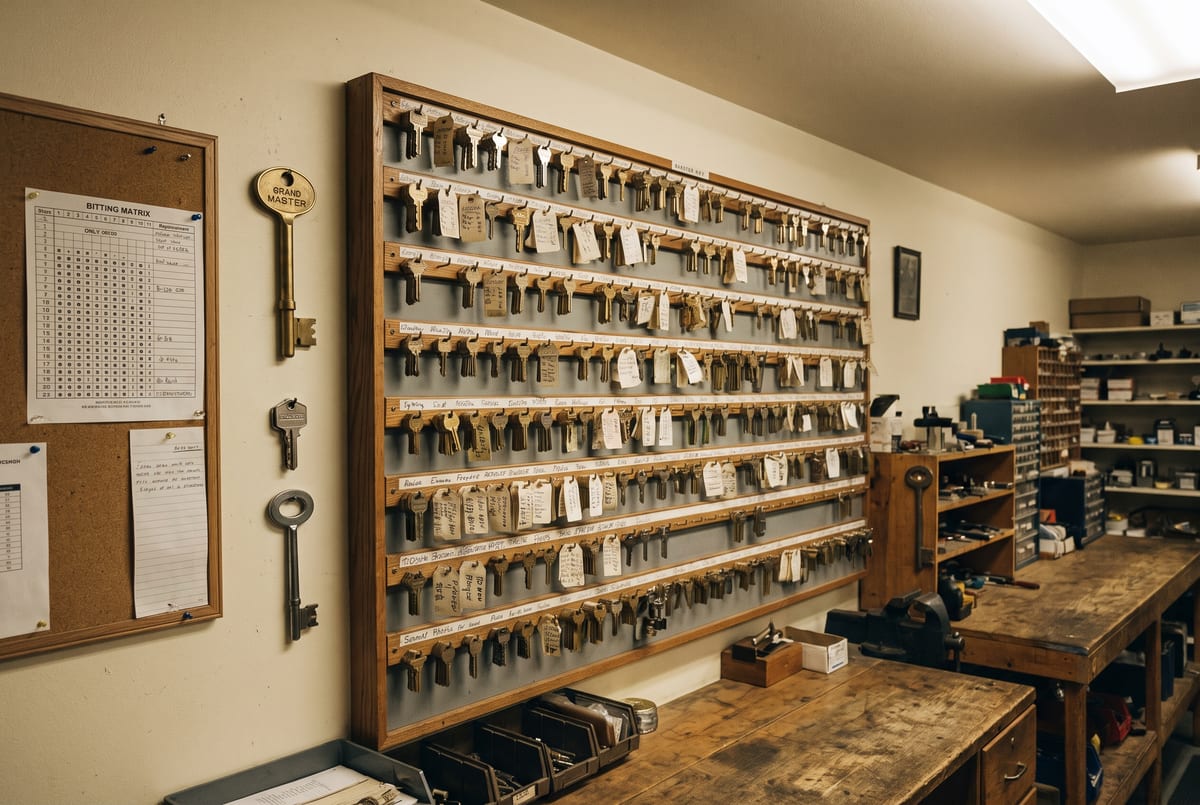
Panic Hardware, Access Control, and Master Keys for DC Businesses
Discuss panic hardware, master-key systems, and card-access readers with the opening and access needs in mind. Confirm the assessment, proposed work, required approvals, pricing, and any applicable written warranty before authorizing service.
(202) 830-0706
Confirm the affected doors, access needs, and work window before a commercial service visit.
Common Questions
Panic Bar Installation and Repair in DC FAQs
Does every business door need panic hardware?
No single rule applies to every door. The applicable code, occupancy, occupant load, location, and other conditions determine requirements. Have the responsible design professional or authority confirm the specification for the opening.
Is a panic bar the same as fire exit hardware?
Fire exit hardware is an exit device listed for fire-door use as well as panic operation. An ordinary panic device is not automatically suitable for a fire-rated door. Check the device and assembly documentation.
Can an existing exit device be connected to access control?
Some products have compatible electrified options or retrofit kits, while others need replacement. Confirm the exact model, approved components, power requirements, and intended entry and exit behavior.
What if the exit device does not release reliably?
Report the fault promptly to the building manager or responsible safety person and arrange an assessment. Do not add an improvised lock or obstruction to an exit. Follow the facility’s safety procedures while the problem is addressed.
What should a commercial locksmith request include?
Identify the affected entrances, existing hardware, operational problem, and authorized site contact. Include work-hour restrictions and any building-approved specifications.
Can the existing key system be retained?
That depends on the cylinder format, keyway, system records, and who controls the key program. Provide the existing hardware details before ordering replacement cylinders or keys.
What should be checked for an exit door?
The complete opening matters, including the door, frame, latch, closer, exit hardware, and any electrical controls. Confirm the applicable egress, accessibility, and fire-rating requirements for that opening with the responsible building team.
How should access-control work be scoped?
Document the present system, exact hardware, software administrator, electrical interfaces, and required entry and exit behavior. Confirm product compatibility and responsibility for each part of the work.
Can a business schedule work outside its opening hours?
Explain the required work window and ask what is currently available. Confirm any after-hours charges, authorized access arrangements, and how the entrance will remain usable during the work.
What should a written quote describe?
Ask for the hardware, labor, service charges, assessment requirements, exclusions, and approval process for changes. A photo may help prepare the discussion; complex work can require a site assessment.
Plan Around Your Building’s Access Needs
List the affected doors, business hours, and who needs access. Check with the property manager before changing a shared key system or hardware on an exit door.
Commercial access planningQuote Process
Describe the Job. Request a Quote.
Tell us what needs attention and where the job is. Photos of visible hardware can help explain the problem. Ask what the proposed price includes and whether an on-site assessment is needed before the scope can be confirmed.
Text a Photo
(202) 830-0706
Include the location, a short description, and a clear photo of the visible hardware.
Call About the Job
(202) 830-0706
Explain the problem and check current availability, proposed charges, and whether a site assessment is needed.
Contact Form
Send a Message
Describe the problem and your preferred timing. Confirm availability and pricing before arranging work.
Related Categories
Fire Exit Hardware for DC Commercial Doors
Plan fire exit hardware repairs in Washington DC. Check device listings, door labels, latching, clos...
Commercial Door Hardware
Commercial door hardware service in Washington DC. Compare handles, hinges, latches, closers, finish...
Commercial Door Closers
Commercial door closer repair and replacement in Washington DC. Discuss slamming, leaking, or latchi...
Storefront Door Locks
Storefront lock and hardware service in Washington DC. Identify swinging or sliding doors, check lat...
Business Entrance and Storefront Door Repair
Trouble with a DC business entrance or storefront door? Discuss latching, closing, access, and repai...
Federal Building Security and Key Control
Key and access-control planning for institution-specific requirements.
Emergency Office Lockout Service in DC
Describe an office access problem and confirm authorization and current availability.
Commercial Door Installation and Repair
Door installation and repair planning for DC storefronts and offices.
Related Door Services
Fire-rated door installation planning in Washington DC
Fire-rated door installation planning in Washington DC. Check required rating and assembly labels, d...
Commercial door hardware and alignment repair in Washington DC
Commercial door hardware and alignment repair in Washington DC. Check fault and hardware identificat...
Retail storefront door repair in Washington DC
Retail storefront door repair in Washington DC. Check pivot, closer, and frame condition, discuss th...
Ready to Secure Your Facility?
Schedule a Site Assessment
Describe the business property and confirm the written scope and quote before booking.