
Inventory access at handover
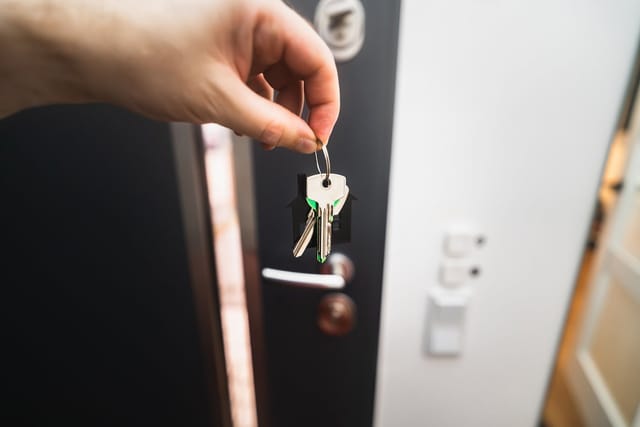
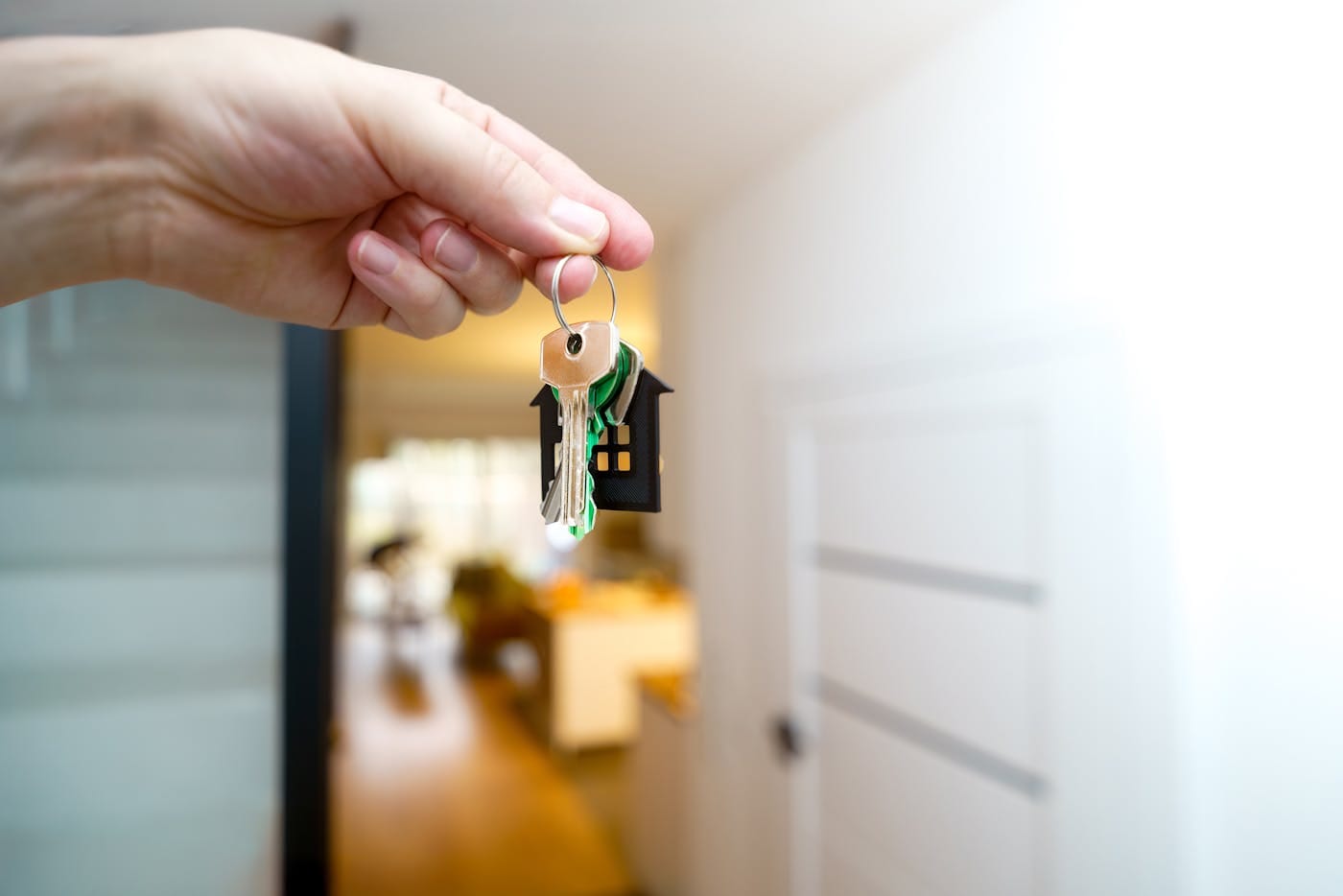
When you receive the keys to a Washington DC home, list every entrance and the devices that operate it. Include front and rear doors, garages, gates, storage rooms, and any private mailbox. Record building access cards, keypad codes, smart-lock accounts, and remotes as well as physical keys.
Ask the seller, landlord, or property manager what was handed over and which systems are shared. Returned keys are useful information, but they do not account for every copy that may exist. DC Police recommends rekeying when moving in.
Choose the change that matches the lock
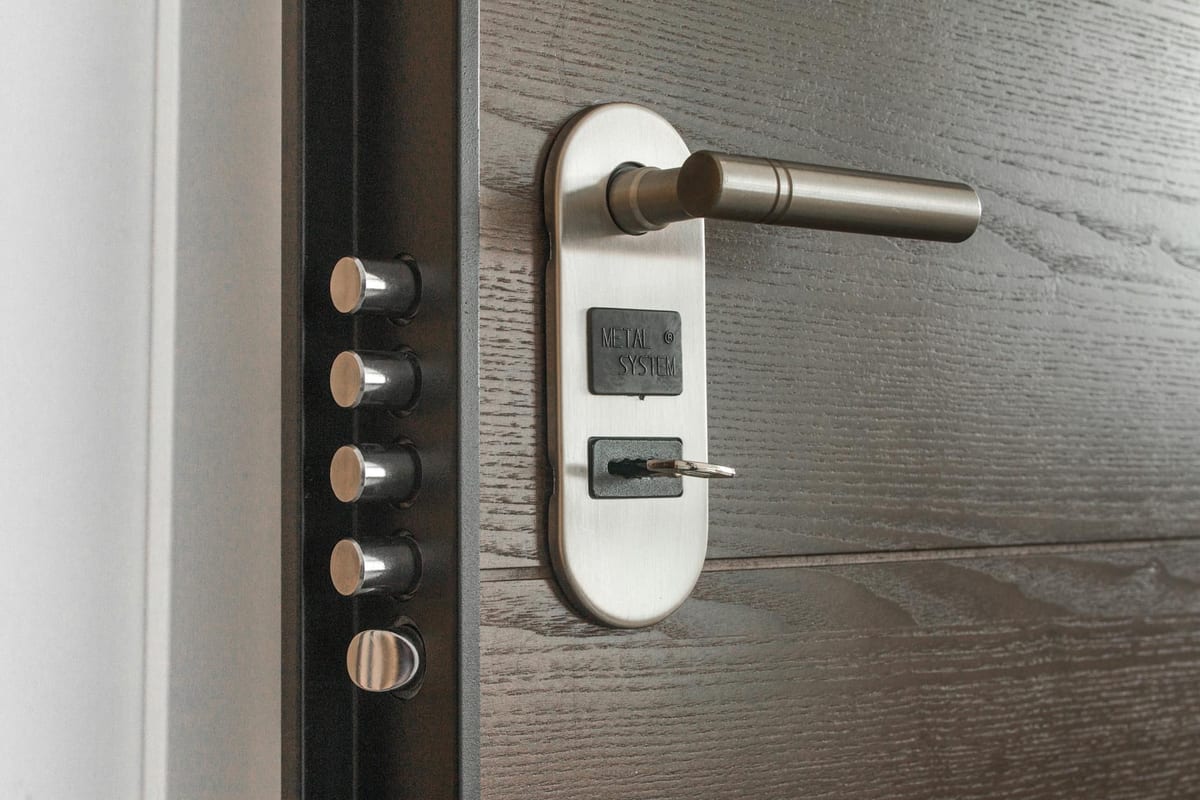
A compatible, functioning cylinder may be rekeyed to change which key operates it. Worn or damaged hardware may need repair or replacement. Do not assume a new lock will solve a door that drags, a loose frame, or a latch that does not engage.
Use the rekeying and replacement comparison to prepare the discussion. Ask which components can remain and which need attention before choosing hardware.
Transfer electronic access deliberately
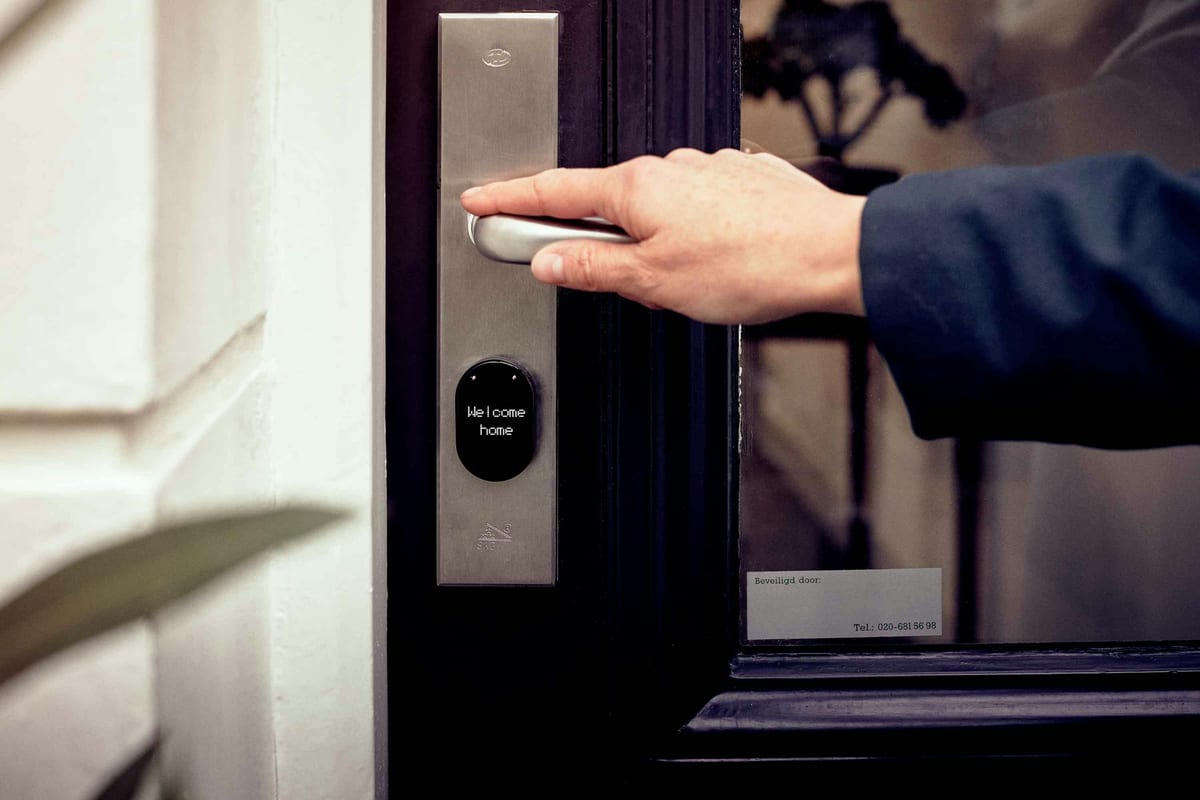
For a smart lock, follow the exact manufacturer’s ownership-transfer or reset process. Confirm who holds administrator access and review users, guest codes, integrations, and recovery options. Deleting one phone app is not the same as removing every active credential.
Treat garage controls, building cards, and shared entry systems separately. A private-door rekey does not change them. Ask the responsible manager how an old credential is revoked and how replacement access is recorded.
Respect shared and historic-property constraints
If you rent, confirm the owner’s approval and any required key access before arranging a change. A condominium or apartment entrance may form part of a building key plan or rated assembly. Obtain the relevant instructions from the person responsible for it.
For exterior alterations to a historic property, review the DC Historic Preservation Office’s permit information. Do not assume that a small hardware change is automatically exempt or that every house in an older neighborhood follows the same requirements.
Plan the visit and the spare access
List the openings and desired work before requesting an appointment. Confirm availability, access arrangements, the quote, and any assessment or ordered parts. Leave time for those questions rather than relying on an unconfirmed moving-day arrival promise.
After the agreed changes, test the relevant functions and decide who should hold a spare or manage backup access. Keep the service and product records with the property documents. Call (202) 830-0706 to discuss residential locksmith work for your new home.