Separate access changes from hardware problems
People often say “change the locks” when they want old keys to stop working. That may be possible by rekeying the existing cylinder. If the hardware is damaged, unsuitable, or needs a different function, replacement may be the better path.
Neither choice should be automatic. Identify whether the problem is who can enter, how the lock operates, or the condition of the complete door.
When rekeying can make sense
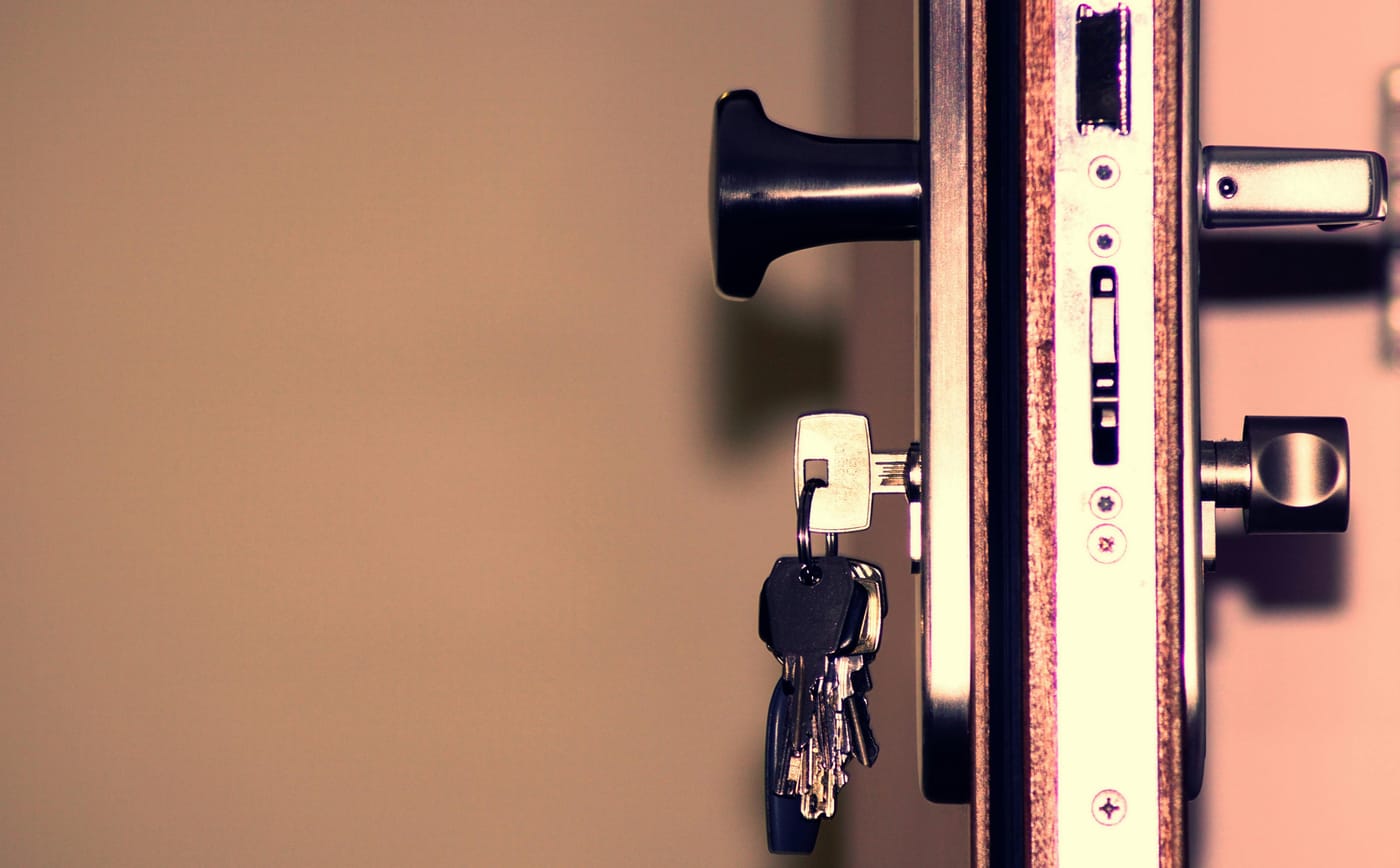
Rekeying changes a compatible lock so that a new key operates it instead of the previous key. The work depends on the cylinder design and existing key system; not every product is serviced in the same way.
It may suit a working lock after a move, lost key, or change in authorized occupants. It does not repair a failing latch, restore a damaged frame, or add electronic access functions. A lock that binds should be assessed rather than assumed to need new keying alone.
Making several doors work with one key also depends on compatibility. Matching brand names do not establish that every cylinder shares a suitable keyway or system. For a shared building, consult the owner of the existing key plan before changing it.
When replacement deserves consideration
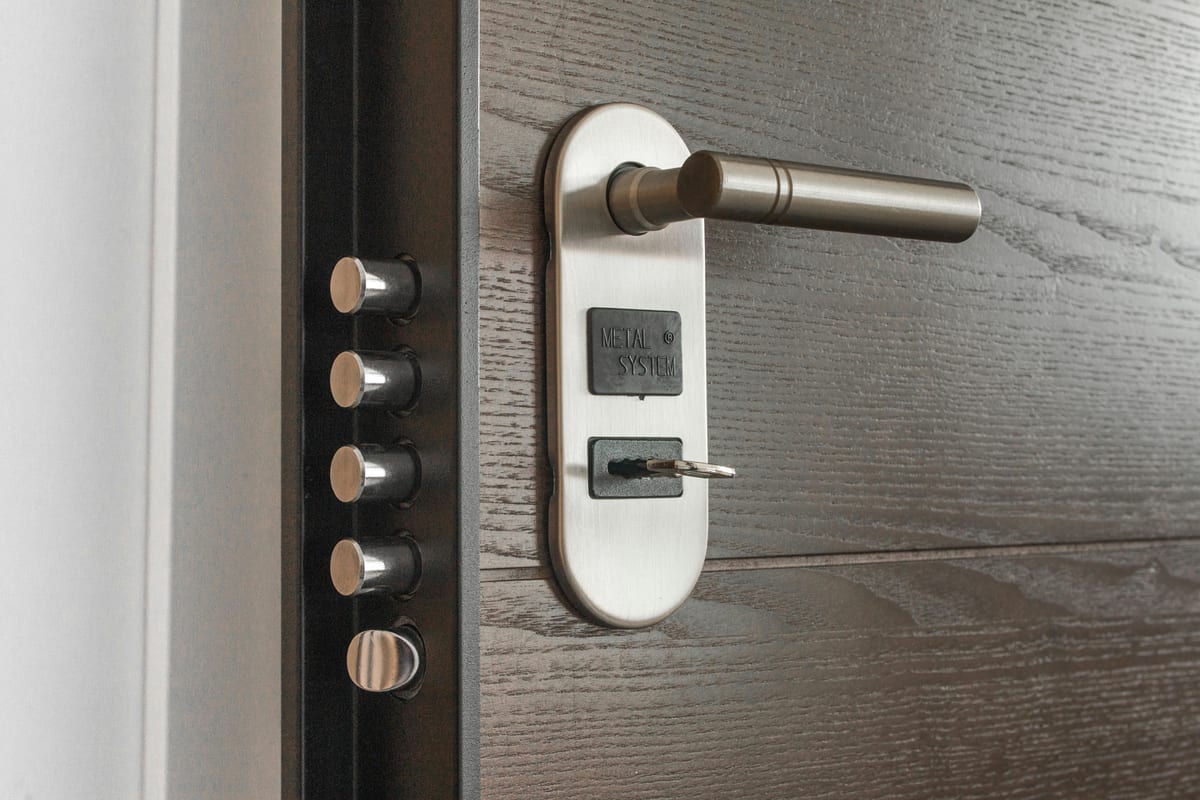
Replacement may be appropriate when parts are worn or damaged, a compatible repair is unavailable, or a different lock function is required. The scope can range from a cylinder to a complete lockset; it does not always require replacing every component on the opening.
Check the proposed product against the existing door preparation and intended exit operation. For a smart-lock upgrade, separate the physical fit from electronic features. The mechanical versus smart deadbolt guide explains that comparison.
Review all ways into the property
A rekeyed cylinder does not deactivate a keypad code, app account, garage remote, or building access card. Include those credentials when the purpose is removing old access. Keep a record of the keys and credentials that remain valid.
If you rent or use a shared entrance, confirm permission and building rules first. A dispute about occupancy or entitlement to access requires the appropriate property or legal process; a hardware change cannot settle it.
Ask for a scope you can compare
Describe the doors, symptoms, number of cylinders, and desired result. Ask which parts can be retained, what work is needed, and what the quote includes. Hidden wear or an unfamiliar system may require assessment before a final scope is known.
For service options, see residential lock rekeying or call (202) 830-0706. Confirm the proposed charges, availability, and authorization before arranging work.