Start with the door you already have
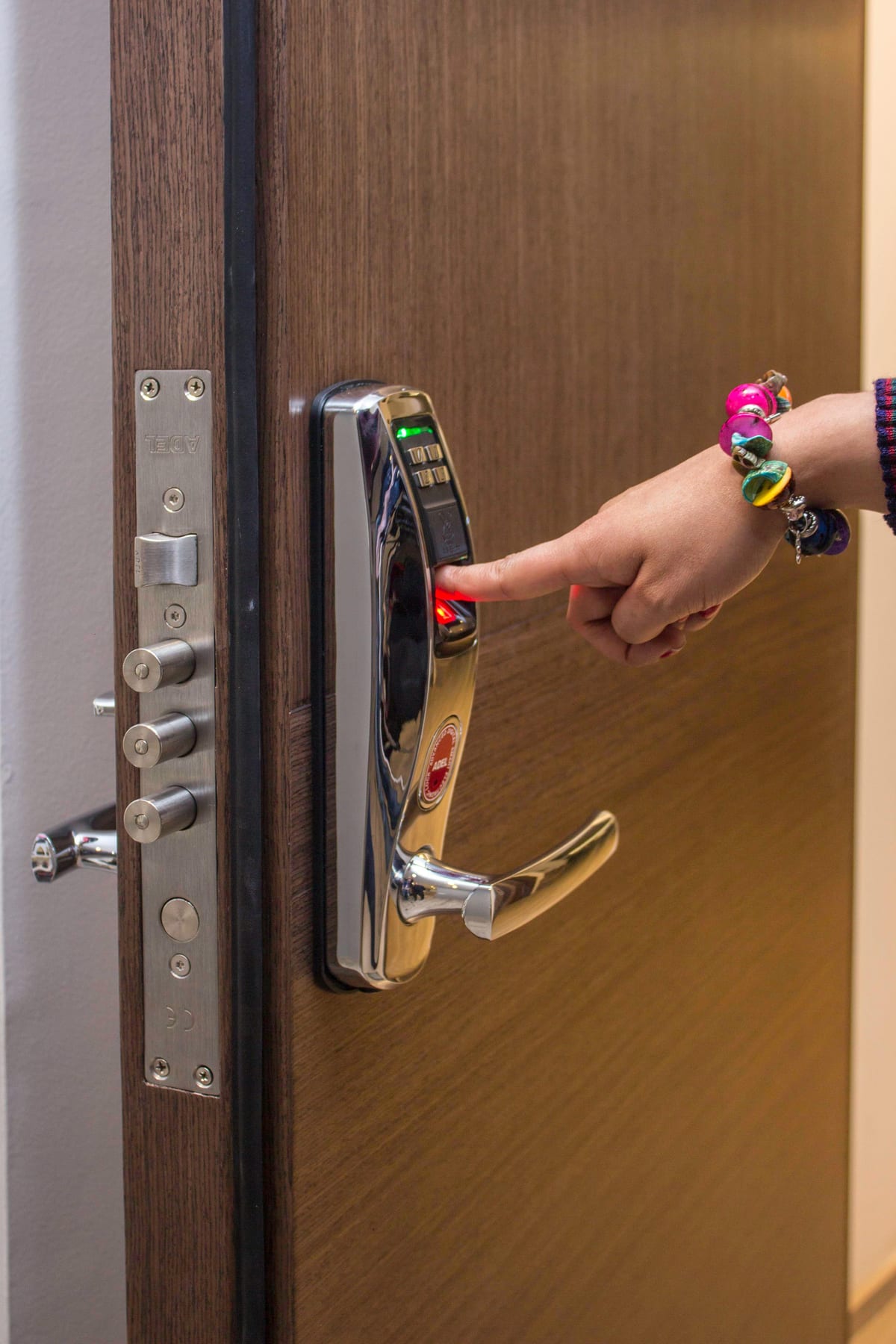
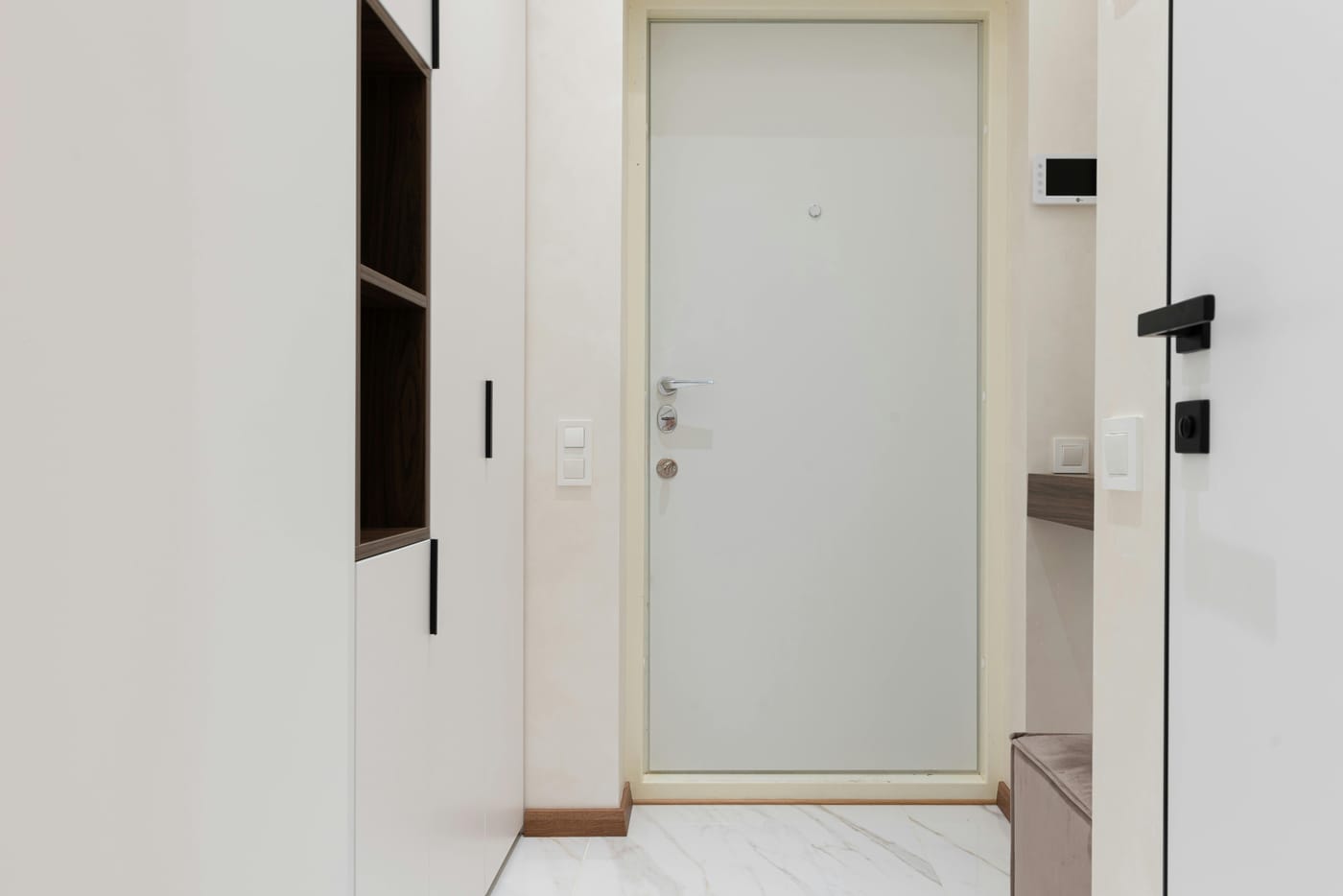
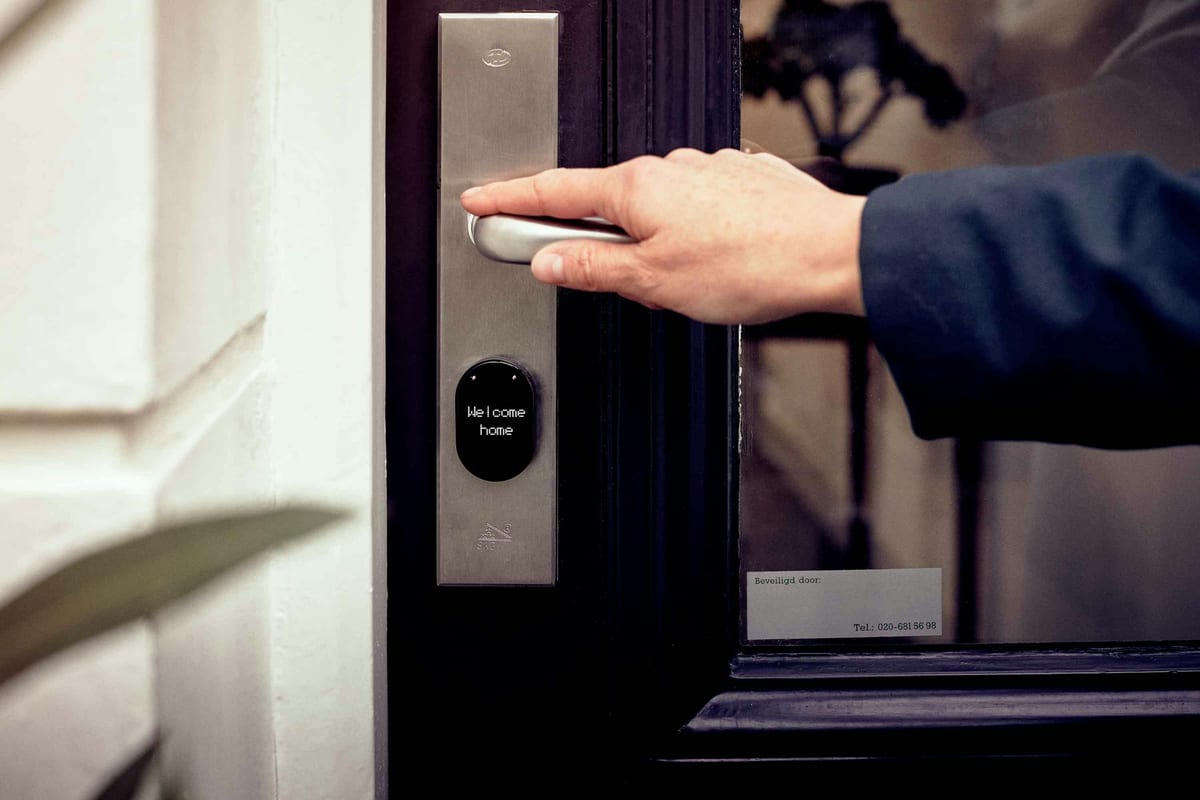
Before comparing apps, identify the existing lock type and the door’s preparation. Record thickness, backset, available clearance, and any nearby trim or storm door. Older mortise hardware, multipoint systems, and narrow stiles can need a different solution from a standard bored deadbolt.
A retrofit product may retain part of the existing lock, but compatibility is specific to the model. It does not automatically make an installation acceptable under a lease or building policy. Obtain permission before changing a rental or shared entrance. For a historic property, consult the DC Historic Preservation Office’s permit guidance when alterations may affect protected fabric or appearance.
Write a short list of required functions
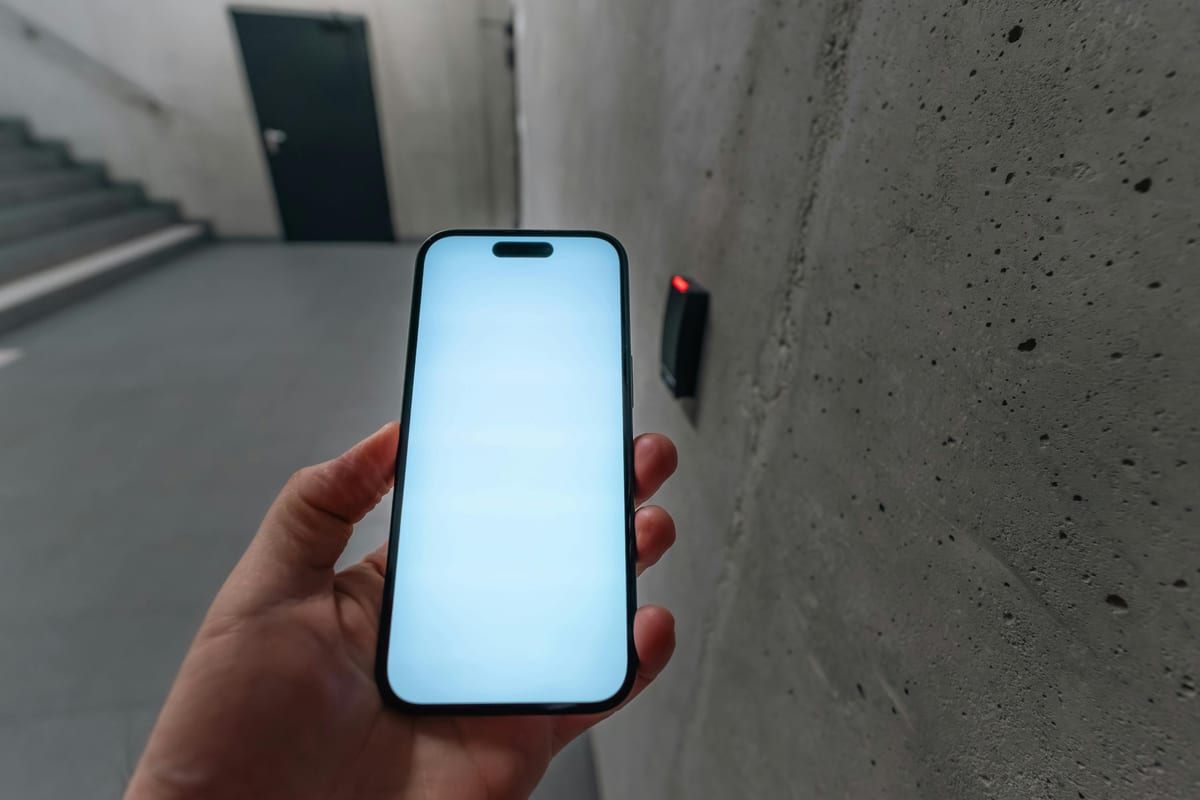
Decide whether you need a local keypad, a mechanical key, mobile credentials, remote operation, temporary codes, or access history. Separate essential functions from features you might never use.
Then check the exact product documentation. “Bluetooth,” “Wi-Fi,” or another protocol does not by itself tell you whether remote unlocking, guest schedules, or a particular phone ecosystem is supported. A bridge, hub, compatible phone, internet connection, account, or paid service may be involved. Product generations within one brand can differ.
Check what happens when something is unavailable
Read the instructions for a dead phone, internet outage, depleted lock batteries, and a mechanical jam. Those are different failures. Local keypad operation may remain available when remote features do not, depending on the product.
Do not assume every key-free lock accepts a 9V battery or that every keyed override solves a jam. Use the manufacturer’s named procedure and battery type. Schlage’s programming guide index is one example of why instructions must match the model rather than the brand alone.
Plan who owns the account
Identify the household or property administrator before setup. Decide who can add users, remove access, recover the account, and receive alerts. At a move or change of tenancy, follow the manufacturer’s ownership-transfer or reset process and confirm that old access no longer remains active.
Temporary codes and logs are useful only when configured and managed. A shared code does not identify an individual, and a recorded unlock does not prove who entered. Avoid sharing administrator credentials with routine visitors.
Review the installed scope
Ask whether the quote includes door adjustment, hardware, installation, setup, testing, and instruction for the owner. Clarify whether existing damage must be repaired first. Keep the product documentation and a practical fallback plan after installation.
For the physical comparison, read mechanical versus smart deadbolts. For a service inquiry, call (202) 830-0706 with the door and proposed model and confirm what work is suitable.