Record the entrances and the responsible people
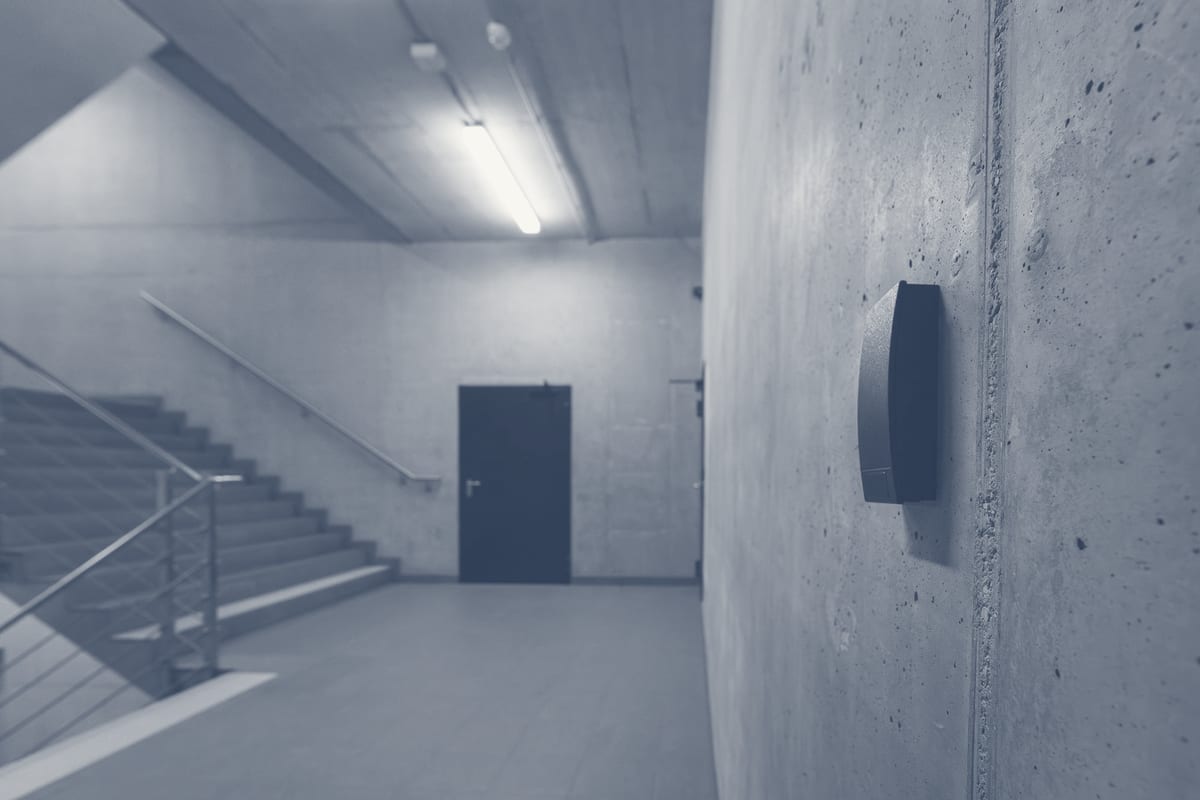
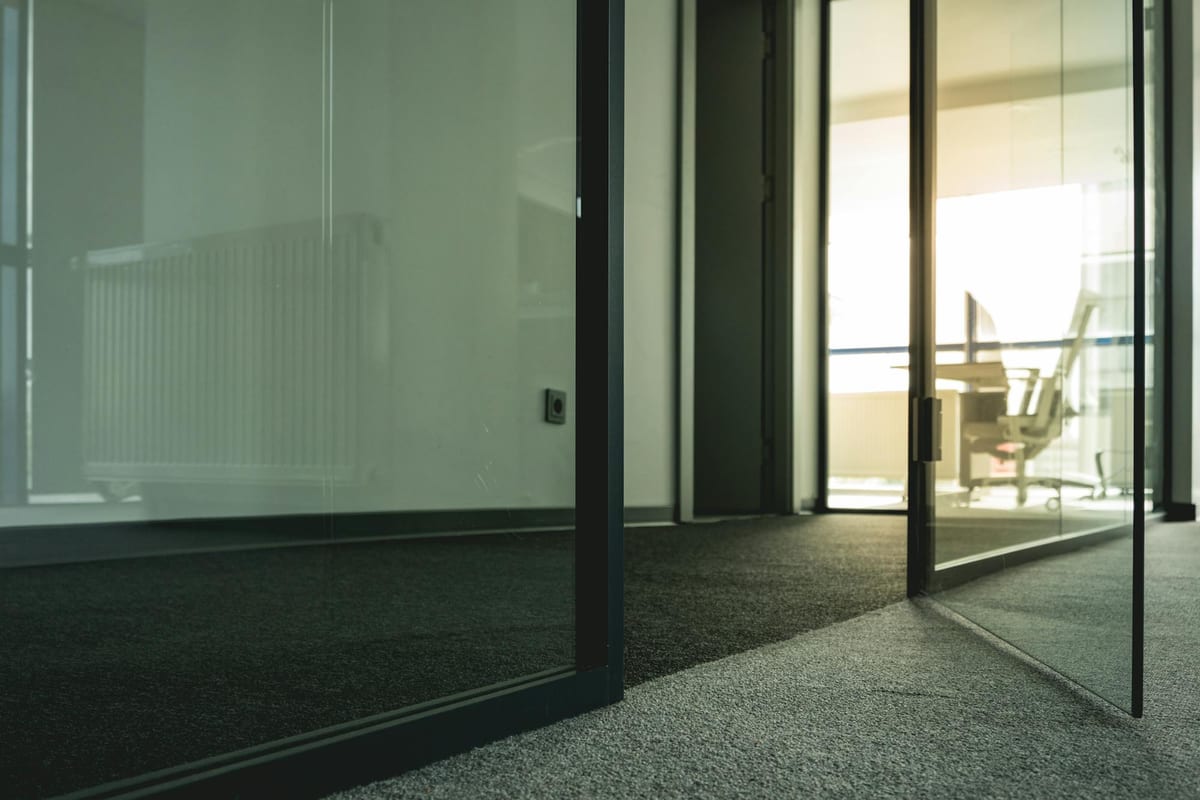
Start with the doors the office uses: the building entrance, suite entrance, delivery route, shared facilities, and exits. Identify which are controlled by the tenant and which belong to the landlord or building management.
For each opening, note the existing hardware, normal operating hours, and the person who can approve changes. A private suite cannot be assessed independently from shared access rules or a building’s exit arrangement.
Check operation before choosing upgrades
Does the door close and latch as intended? Does it rub, sag, or need force? Are the frame, hinges, strike, and closer secure and functioning? Report a defect with the door identifier and symptom, rather than assuming a new cylinder alone will fix it.
Do not presume every office entrance needs a deadbolt or panic bar. Hardware selection depends on the opening and applicable requirements. OSHA’s exit-route requirements address workplace exit operation; consult the responsible design or building authority for the complete specification. The panic-hardware guide explains questions to prepare.
Review who holds access
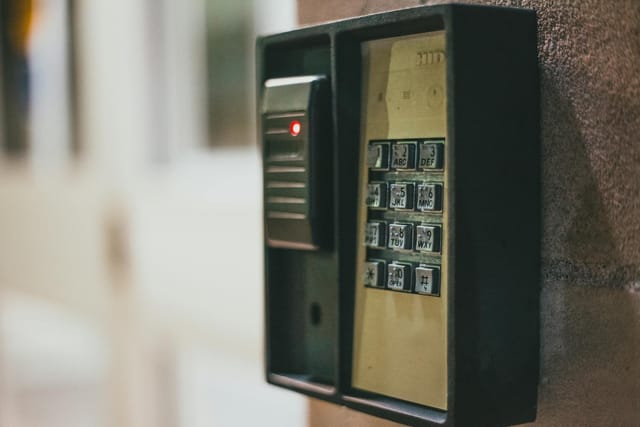
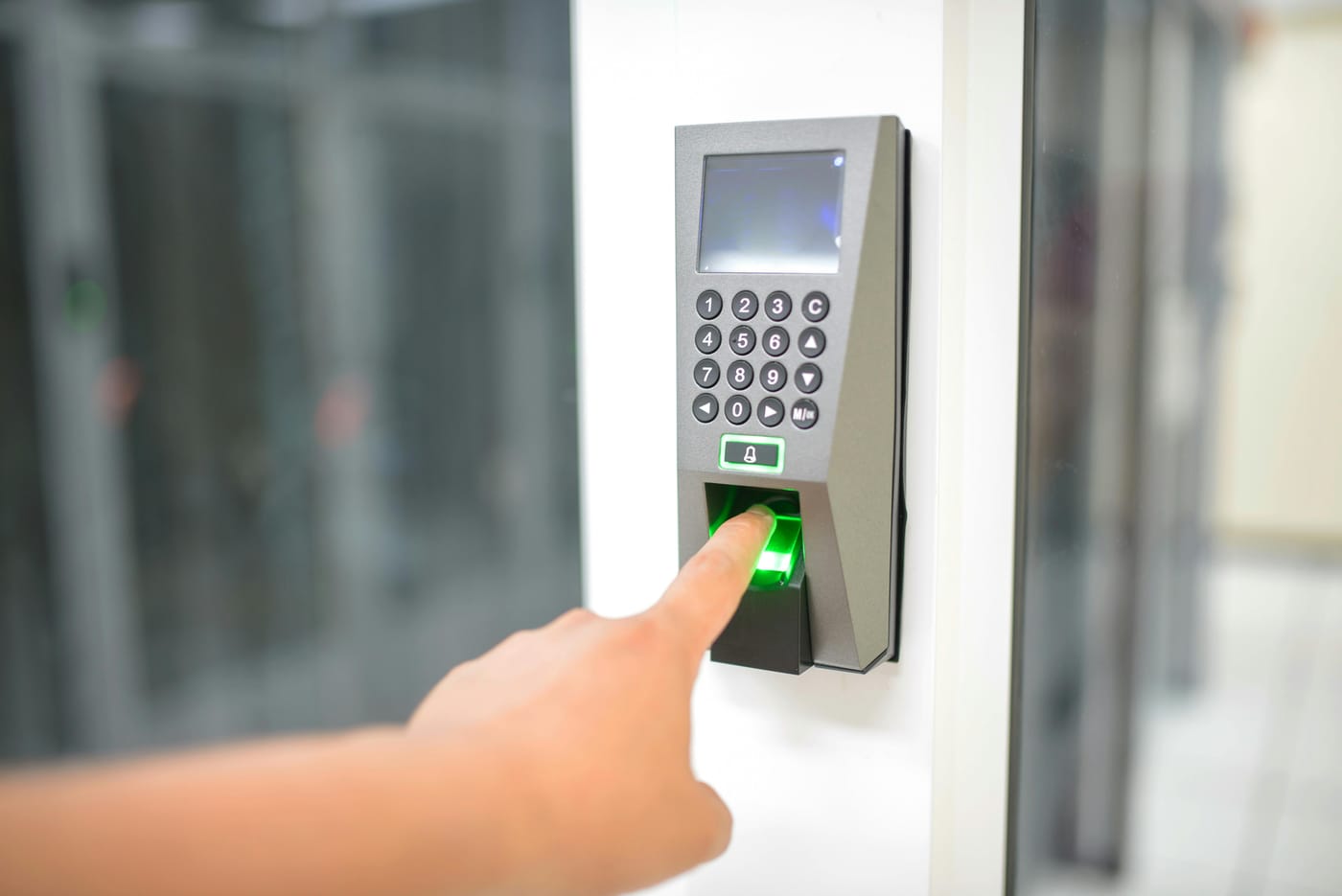
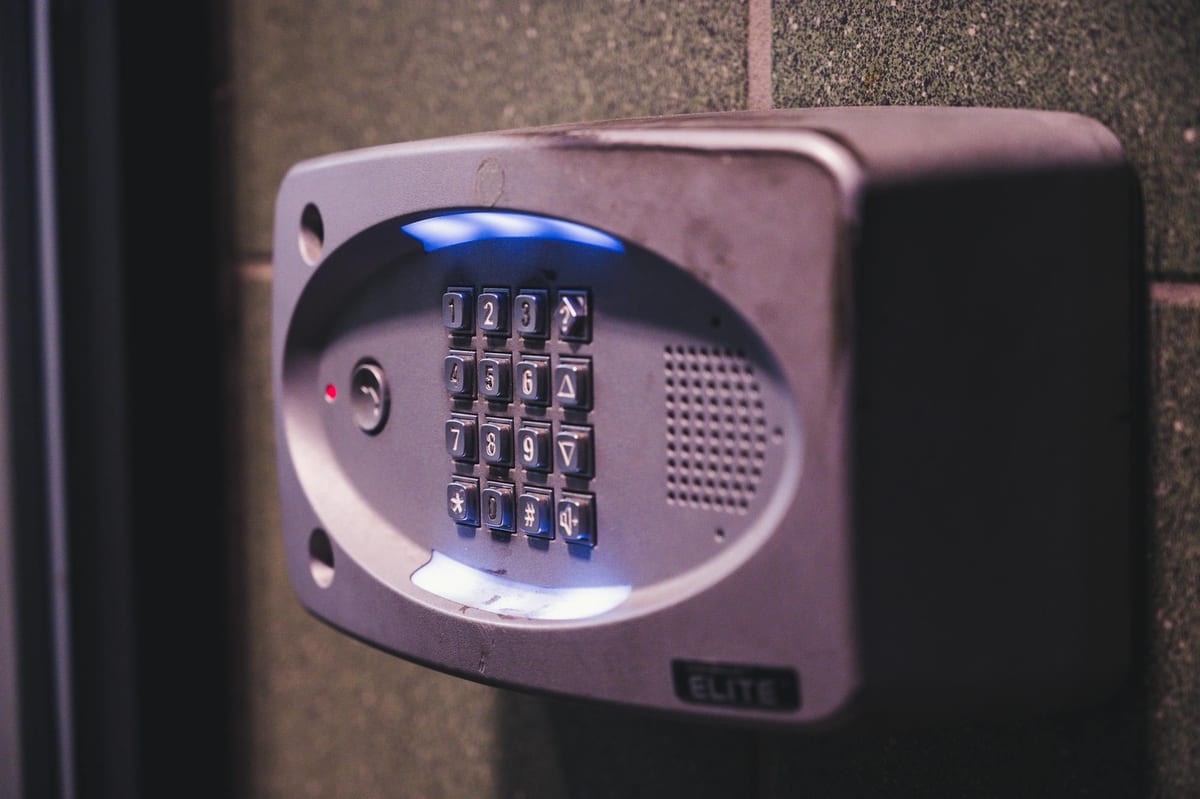
List issued keys, cards, fobs, mobile credentials, and shared PINs. Compare that list with current staff and contractors. Identify who can issue or remove permissions, order keys, and recover an administrator account.
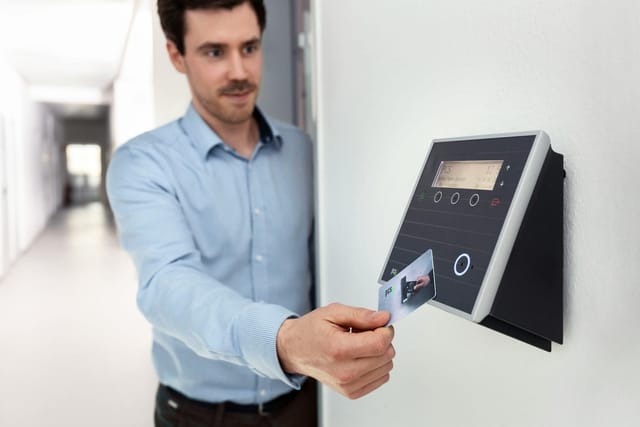
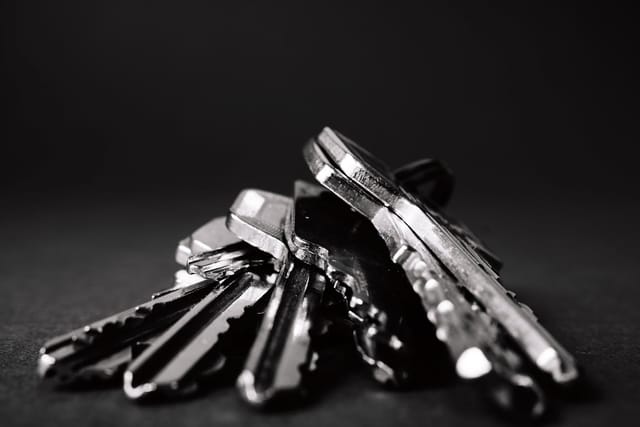
A card system does not automatically provide reliable person-by-person records. Check what it logs, how shared access is handled, and who reviews exceptions. For mechanical keys, maintain an issue and return process and a response for missing keys.
Include visitors and internal rooms
Define how guests, deliveries, cleaners, and temporary workers receive approved access. A convenient route should not bypass the intended authorization process or depend on holding a controlled door open.
Review storage rooms, equipment areas, cabinets, and records spaces according to their contents and operational need. Avoid giving broad master access merely to reduce the number of keys carried. Consider the least access that supports each role.
Test changes and keep records
When work is proposed, record the parts, interfaces, timing, charges, and acceptance checks. Confirm required exit operation after any change, along with the intended entry control. Identify who will report faults and obtain support.
Keep the door schedule, key or permission records, and service documents current. Revisit them when staff, tenants, hardware, or building use changes. For assistance with a defined opening, call (202) 830-0706 or review commercial locksmith service options.