Define the access decision before the product
List the people who need access, the spaces they may enter, and the hours or conditions that apply. Include employees, contractors, visitors, cleaners, and deliveries. Identify who approves those permissions and who removes them when they end.
A small office and a multi-tenant building may need different administration even when both use card readers. Start with the access rules and the existing building arrangement rather than choosing hardware from a feature list.
Compare credentials and their limits
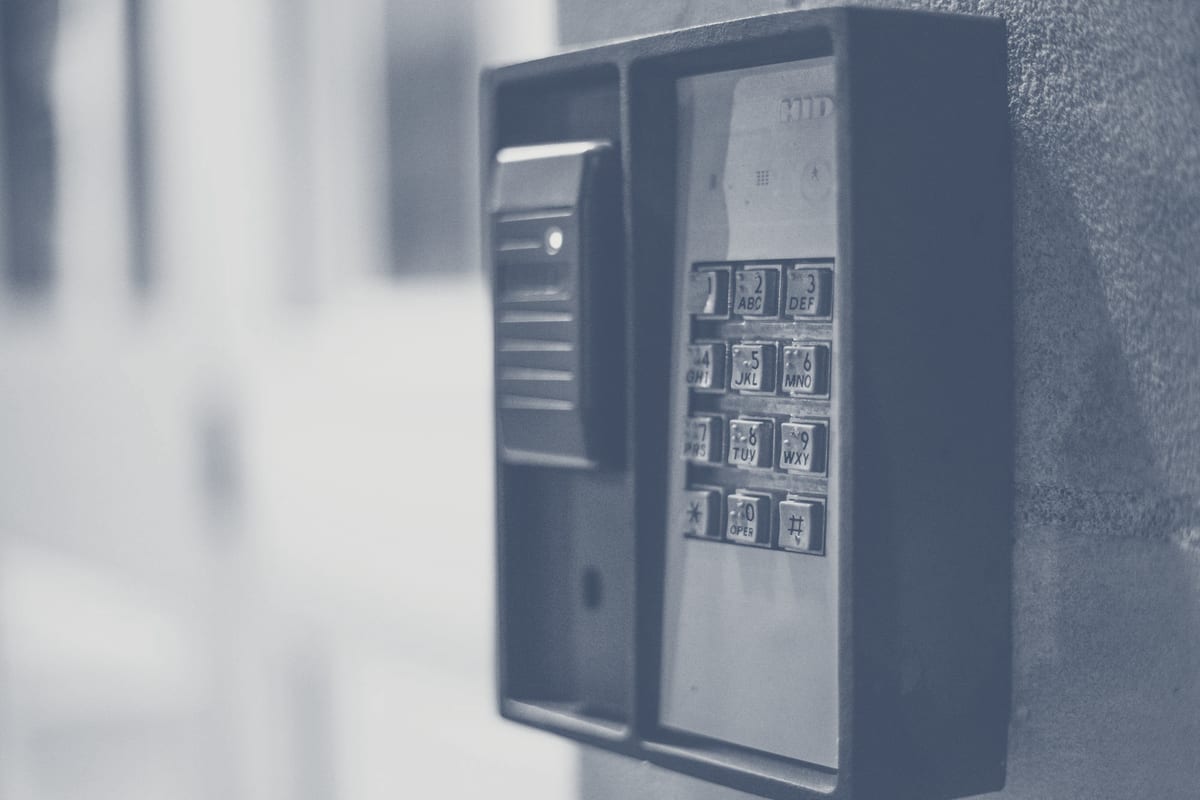
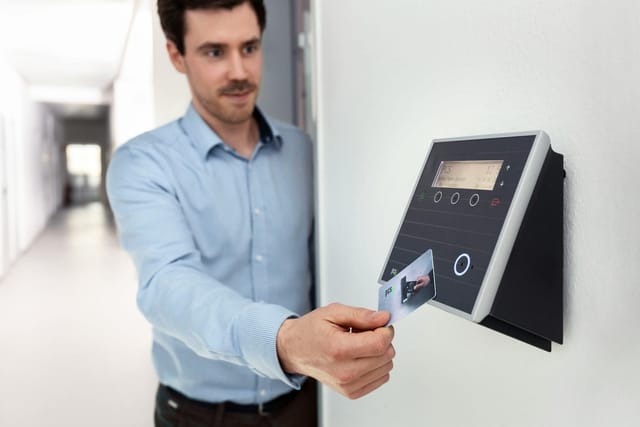
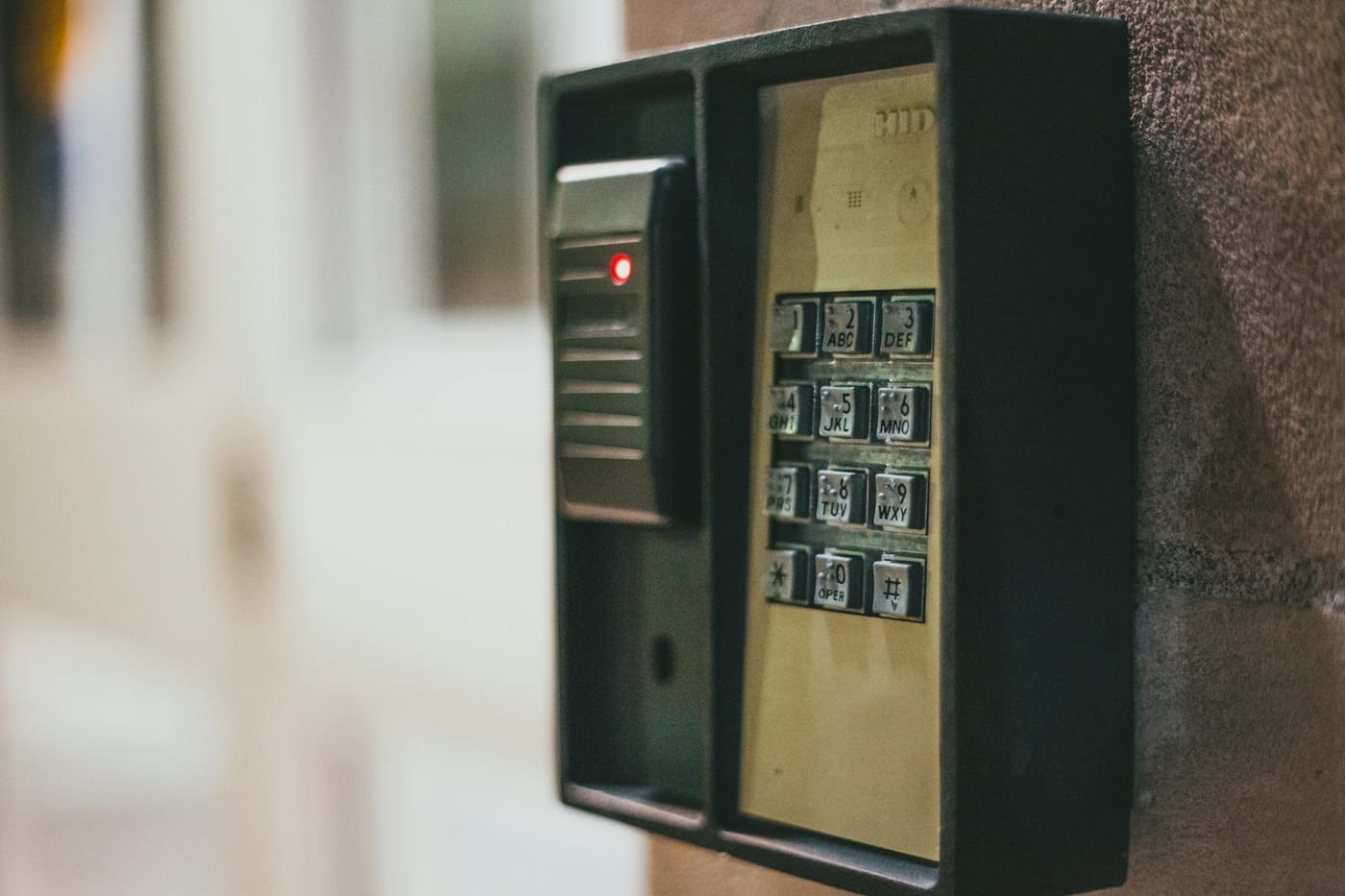
A PIN is convenient but can be shared. A card or fob can be issued individually, but its security depends on the credential technology and configuration. A phone credential also depends on the supported device, account, and communication method.
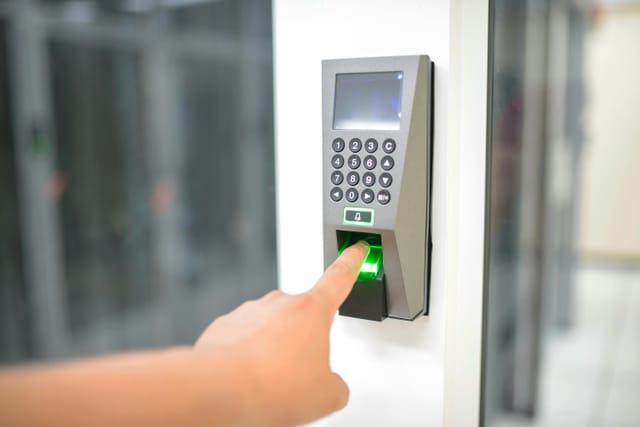
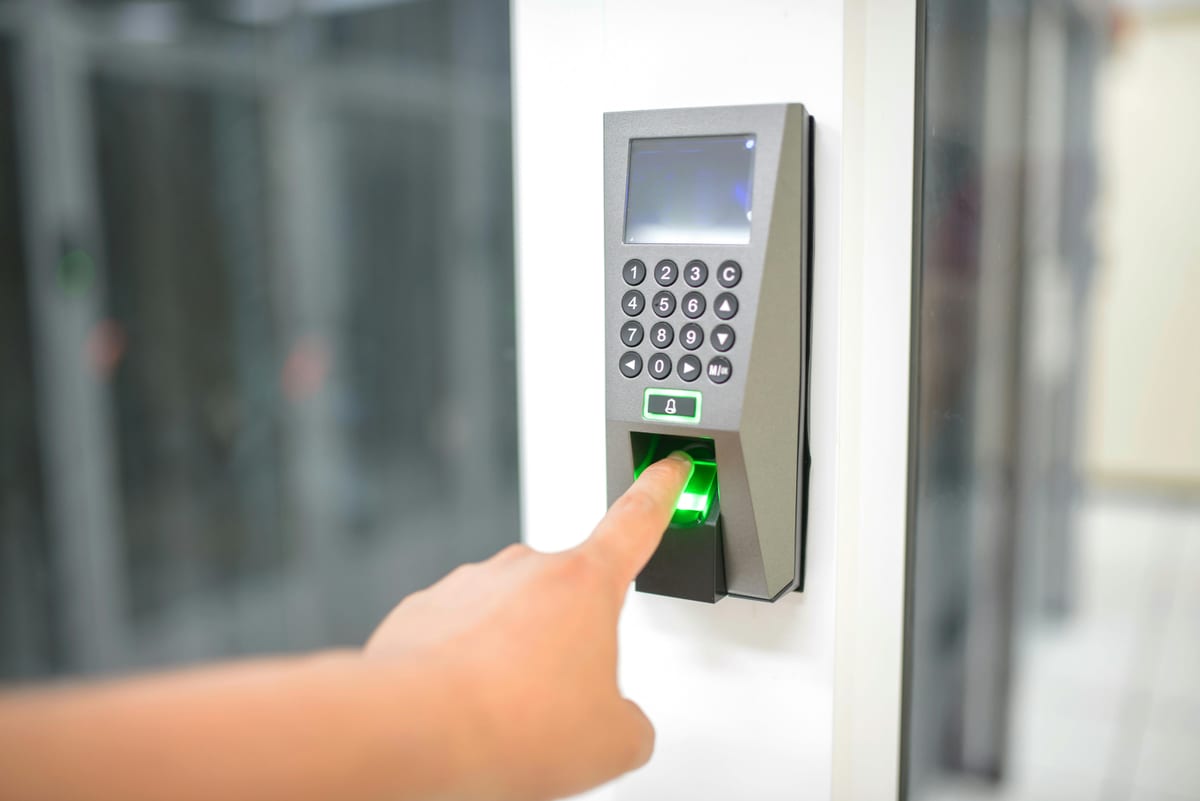
Biometrics introduce additional enrollment, privacy, fallback, and accuracy questions. They are not impossible to misuse and do not automatically provide the highest assurance in every setting. Ask how the specific system handles a failed reading, lost device, shared credential, or unavailable administrator.
An access event identifies what the system recorded. It does not by itself prove who physically entered, whether someone followed another person, or whether a door was held open.
Assess the complete opening
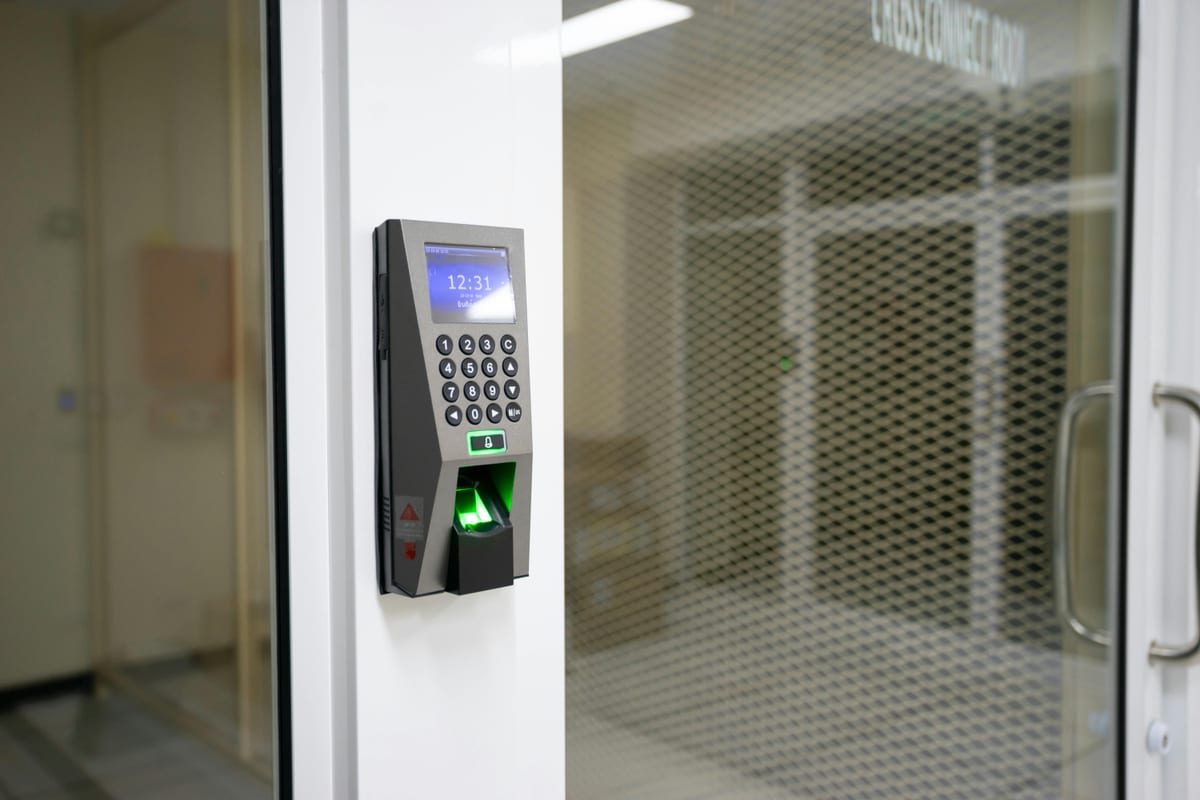
Record the door, frame, latch, closer, reader, controller, power supply, and any connected alarm or monitoring device. Confirm exact compatibility and who owns each interface. An electric strike, magnetic lock, and electrified lockset have different mechanical behavior; the product name alone does not describe the entire exit arrangement.
Entry control must be reviewed alongside required exit operation. OSHA’s exit-route standard addresses workplace exit-door operation, while the responsible building and design authorities determine the complete applicable requirements. Do not assume every magnetic lock follows one universal fire-alarm arrangement.
Plan failure and recovery
Loss of internet, a controller fault, depleted backup power, and loss of power at the lock are different events. Specify the approved response to each and who can restore service. “Fail-safe” or “fail-secure” describes a hardware condition, not compliance of the complete installation.
Ask which functions remain available locally, how credential changes reach disconnected equipment, and how faults are reported. Test the approved behavior with authorized accounts and witnesses before acceptance.
Compare the ownership costs and handover
Include installation, licenses, subscriptions, credential issuance, training, maintenance, and future support in the comparison. Confirm who retains administrator access and how records or configurations can be transferred if the service provider changes.
A useful quote identifies the equipment, interfaces, work limits, approval responsibilities, and acceptance checks. Call (202) 830-0706 with a non-sensitive scope or review commercial access-control planning before arranging work.