
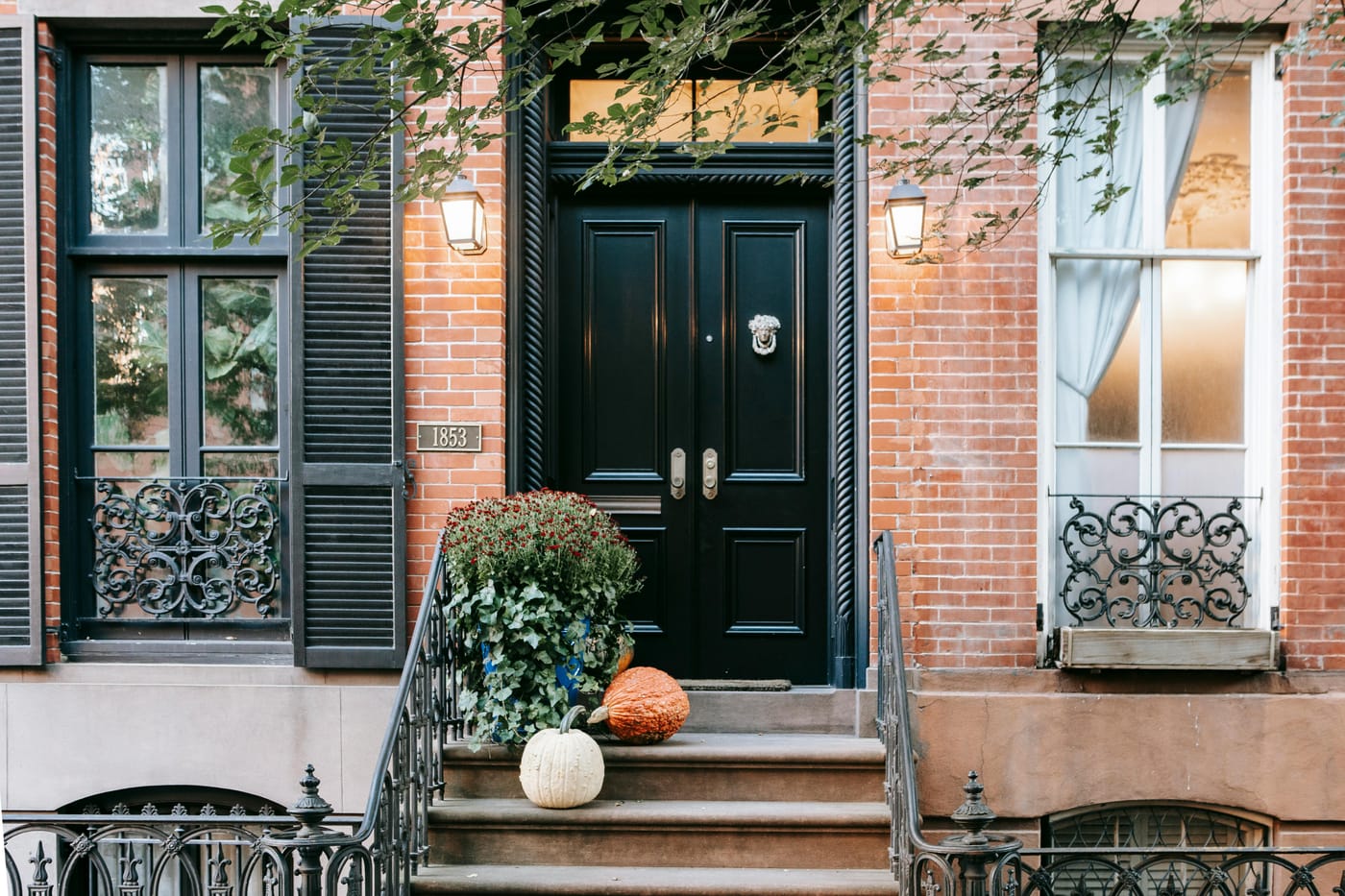
Treat the two leaves as one opening
This example assumes paired timber doors on a Logan Circle home. The active leaf holds the everyday lock, while the other leaf provides part of the surface it closes against. Movement in either leaf can affect latching. An electronic motor cannot correct loose hinges, a moving meeting stile, or an inactive leaf that is not properly secured.
Start with a manual operation check. Identify the active leaf, existing locking arrangement, hinges, and the condition of the meeting edge. Ask the installer to explain any required carpentry before choosing a smart lock. Door thickness and space behind decorative trim can rule out a product that fits a newer single door.
Decide which electronic functions matter
The assumed household needs timed access for visitors and a way to remove it. Compare code management, event records, battery alerts, and offline behavior for the exact device. Features called access history or remote control differ between products and may require a subscription or additional equipment.
Retain a practical fallback for residents who do not carry a smartphone. Discuss what happens when the battery runs low and how the owner recovers the account after losing a phone. Avoid shared administrator passwords for temporary visitors.
Check the alteration and the handover
For a designated historic property, ask the DC Historic Preservation Office about the proposed work before changing the visible exterior. The assessment should describe any drilling, new preparation, or trim replacement, even if the product is marketed as a retrofit.
After real installation, test both leaves in their normal secured position, then repeat entry and exit checks using every agreed access method. Record battery type and service instructions. This scenario does not assume that seasonal door movement can be eliminated by the lock itself.
For a single-door mortise example, see the Georgetown planning scenario. Discuss product fit through smart-lock services.