
Separate the key’s different jobs
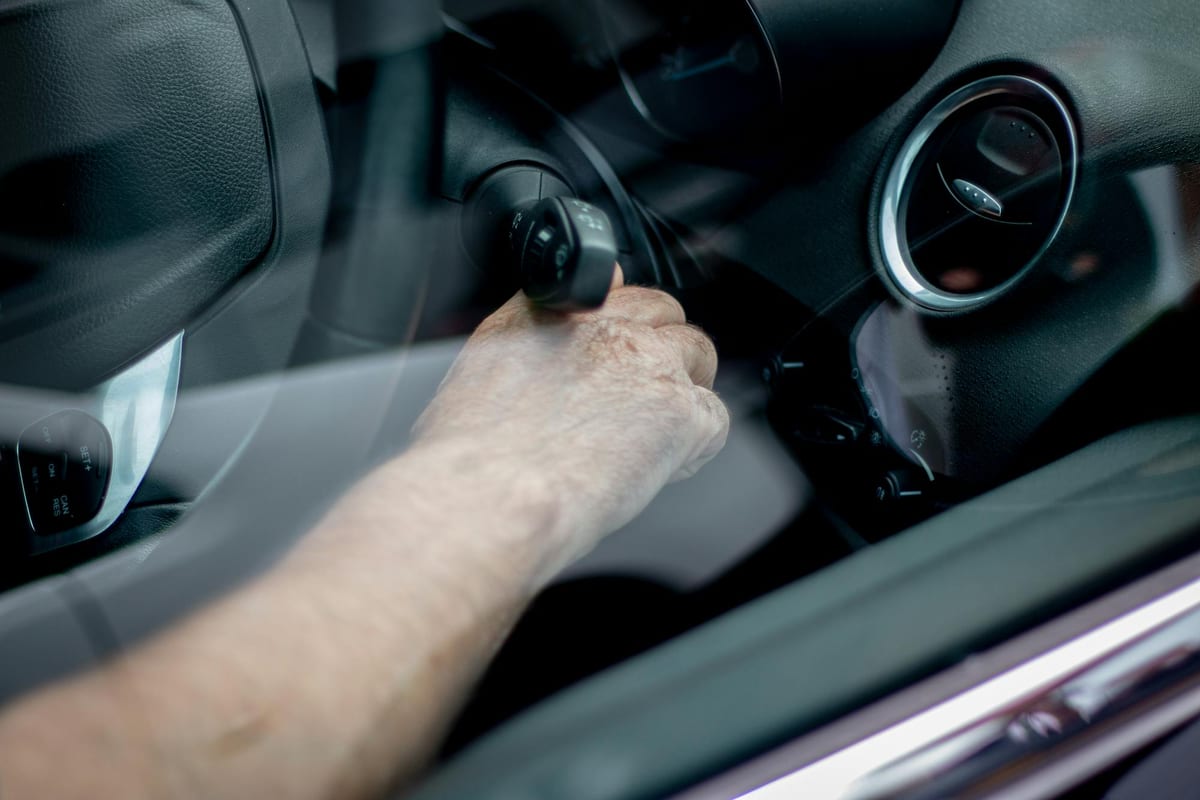
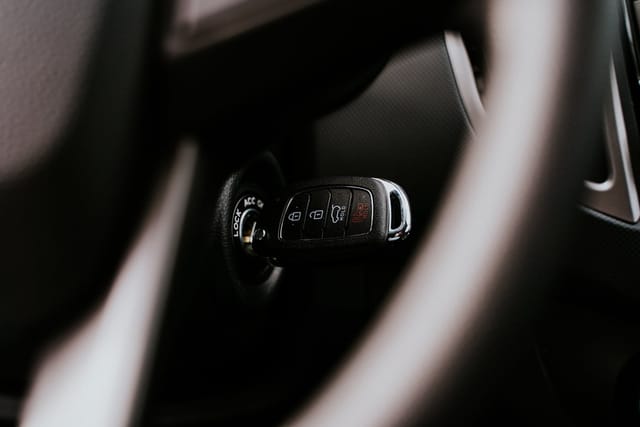
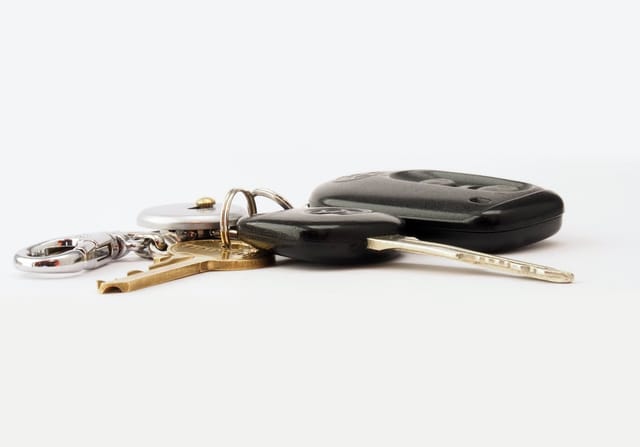
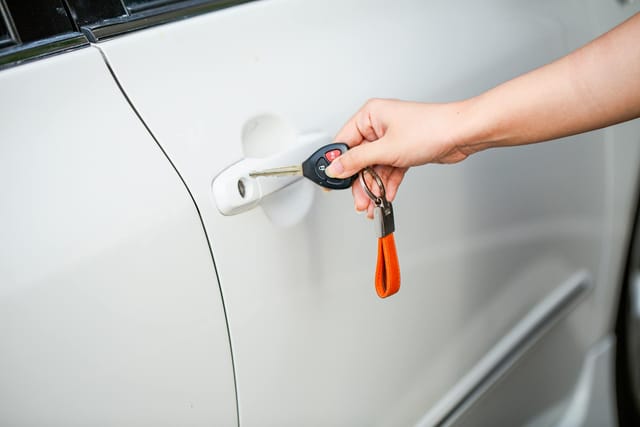
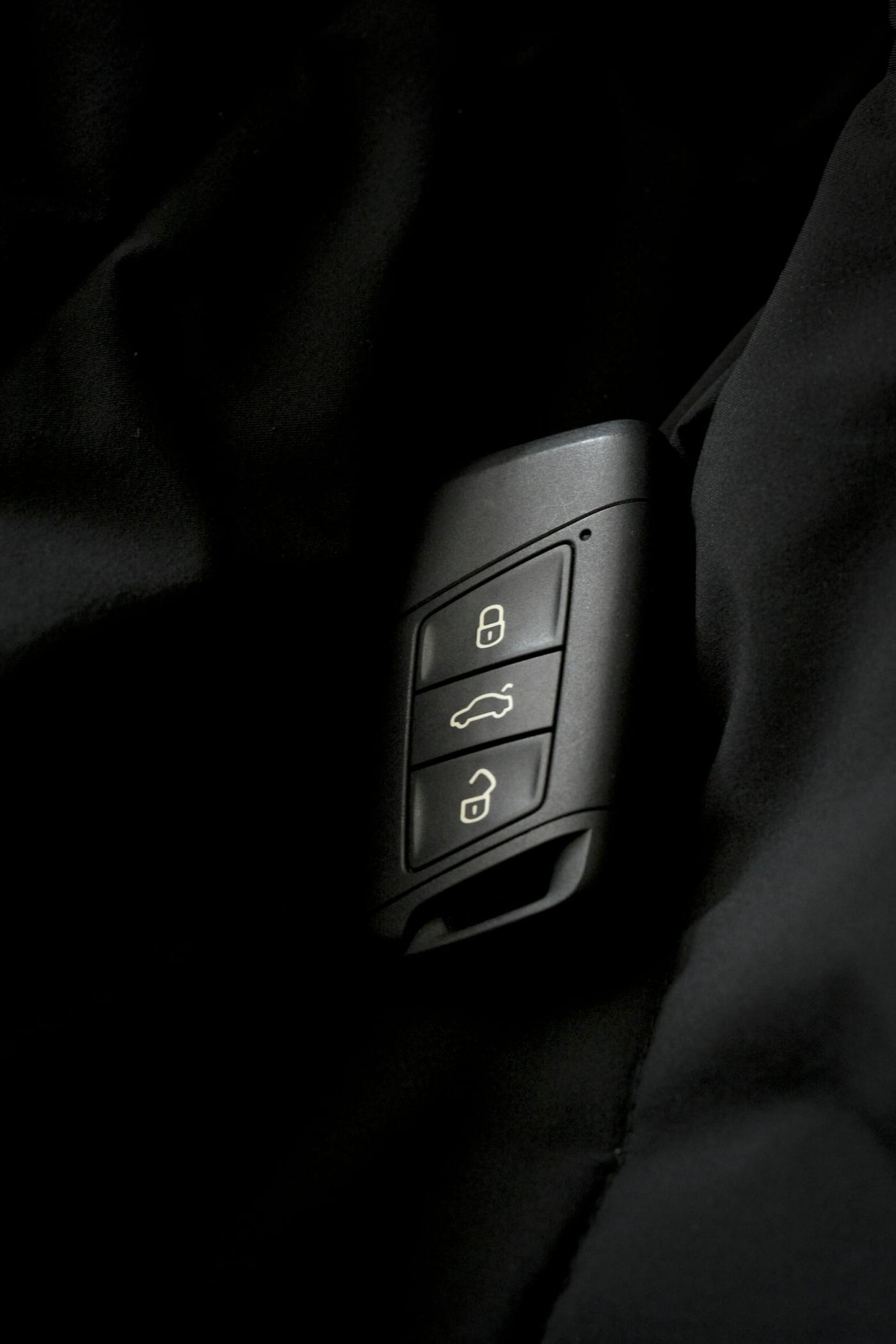
A vehicle key may perform several functions: operate a mechanical lock, transmit a remote-button command, and supply an electronic credential that the immobilizer accepts for starting. Some products combine those functions in one case, while others use separate devices.
A transponder is an electronic device that responds to a reader. In many ignition-key designs, a passive chip can be read without a replaceable battery in that chip. A remote-button or proximity function may have different power requirements. Do not infer the complete system from the key’s appearance.
Why a cut blade may not be enough
A correctly cut blade can match the mechanical lock without supplying the starting credential required by the vehicle. Conversely, an electronic key may need a separate emergency blade for a mechanical access function. Each part should be checked against the vehicle’s documentation.
If the vehicle rejects a credential, its response depends on the model. Some systems inhibit cranking; others prevent starting in another way. A no-start condition is not proof that the key is faulty, because battery, ignition, and other vehicle problems can produce similar symptoms.
Replacement is vehicle-specific
Identify the make, model, year, exact compatible part, and whether a working key remains. The process might involve an authorized registration procedure, copying a supported credential, or a manufacturer service route. Do not assume every system uses the same diagnostic connector or that every online fob can be reused.
A blade described as laser-cut or sidewinder describes its physical cutting style, not whether it contains a transponder. A conventional edge-cut key can also contain an electronic credential.
Use the vehicle manufacturer’s instructions. Toyota’s manuals and warranty finder lets owners select their vehicle rather than applying one set of rules to every model.

Theft resistance is not a guarantee
An immobilizer adds an electronic authorization requirement, but it does not make a vehicle theft-proof or replace a complete security plan. Avoid claims that a universal date or mandate gave every vehicle the same protection. Equipment and market specifications vary.
If a key is missing, ask whether its electronic authorization can be removed and whether its mechanical blade remains usable. Keep spare credentials secure and follow the owner’s guidance for storing and maintaining them.
What to tell a service provider
Describe what works and what fails: door operation, remote buttons, starting, or passive entry. Provide the vehicle details and prepare ownership records. Confirm compatibility, the proposed work, and the functions that will be tested.
See transponder key service questions or call (202) 830-0706 to discuss a specific vehicle. For a missing final key, start with the all-keys-lost guide.