Use the university’s access process first
A student, staff member, or department should contact the university office responsible for keys, facilities, or access control before arranging outside work. The institution may manage its own key plan, credentials, emergency response, and vendor approvals.
There is no single campus-wide technology that every Washington DC university uses. Georgetown’s resident guidance describes both traditional keys and mobile access, depending on the residence. George Washington University’s key service identifies its own route for lock and key emergencies. These references are public examples, not client relationships or endorsements of DC Local Locksmith.
Define the particular opening
A residence entrance, classroom, research area, library, and public event space may have different operating requirements. Identify the actual door and the people authorized to set its specification. Funding source or a building name alone does not establish a required biometric system or security standard.
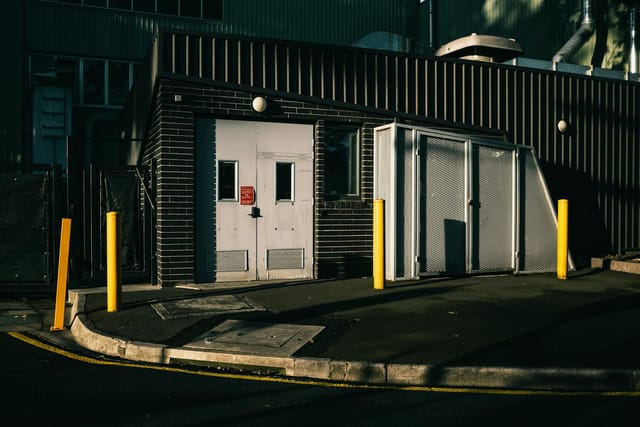
Record existing hardware, door and frame condition, labels, access interfaces, and the ordinary fault. Keep sensitive plans and credential information within the university’s approved channels.
Coordinate mechanical and electronic access
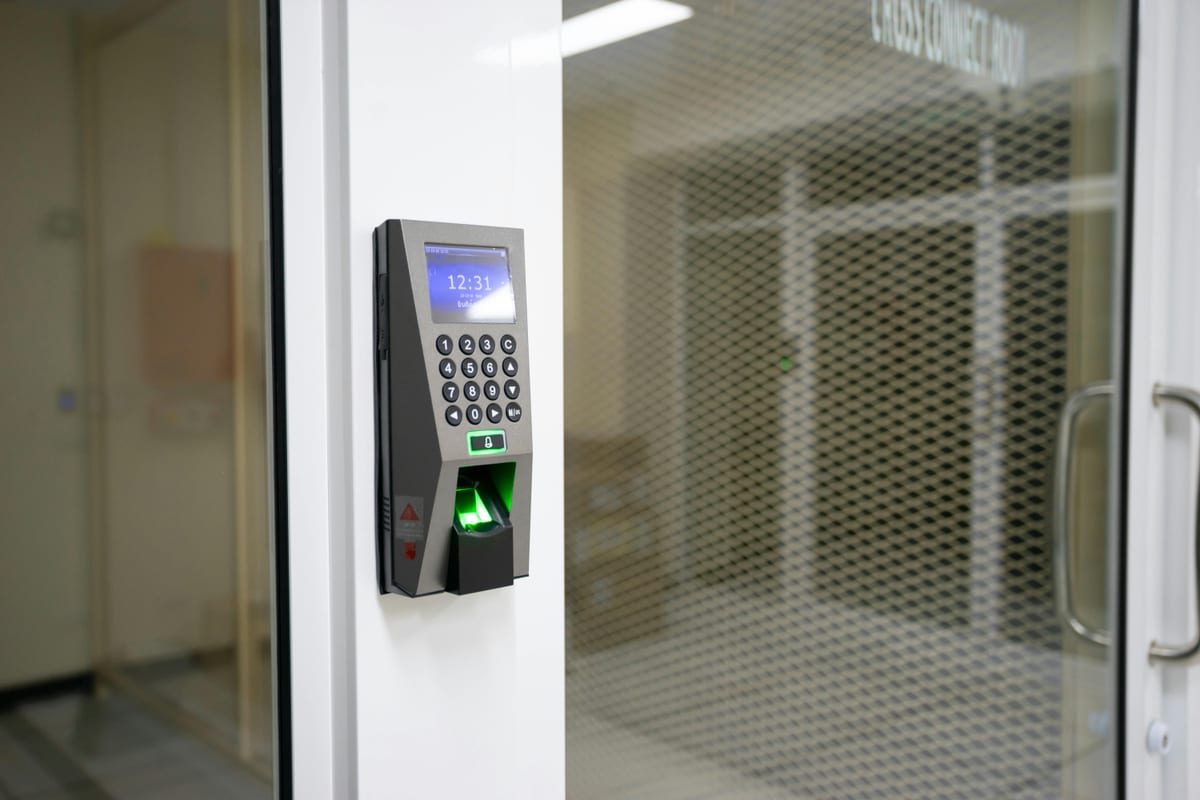
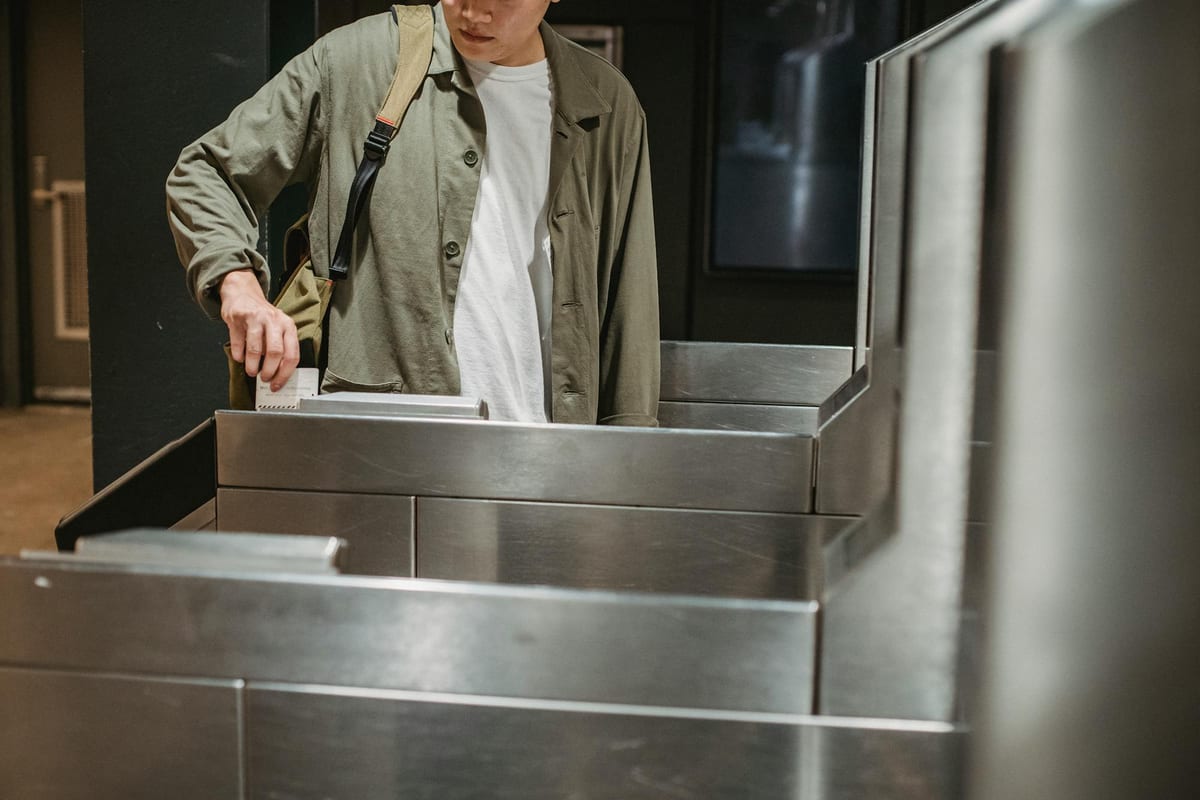
A campus may use mechanical keys, electronic credentials, or both. Review the existing key hierarchy and controller platform before adding hardware. New equipment must fit the approved arrangement; it should not create an unmanaged parallel system.
Clarify who orders and issues keys, grants permissions, revokes access, and maintains records. A broad master key is not automatically the required backup for every electronic door. The institution should approve fault and emergency-access arrangements for the actual system.
Preserve the approved exit and emergency functions
Entry control and occupants’ ability to leave must be evaluated together. A lockdown feature should follow the institution’s approved emergency plan and applicable requirements, rather than a generic claim that every classroom needs one particular device.
Do not add aftermarket barricades or change release functions without the responsible design and building review. Faults at an occupied opening should be reported through the university’s established safety process. A locksmith service page cannot certify compliance of the campus.
Make vendor scope and acceptance explicit
The authorized facilities contact should verify any required contractor qualifications and approve access, work windows, temporary arrangements, and photographs. Agree on the parts, interfaces, tests, records, and person who accepts the result before work begins.
A public guide does not establish that DC Local Locksmith is an approved campus vendor or has completed university projects. For an authorized physical-opening inquiry, call (202) 830-0706 with a non-sensitive scope or review commercial door and lock services.