FAQ
Rekey or Replace? A Lock Decision Checklist
Choose the work by the problem: who has access, whether the lock functions properly, and whether the existing hardware still...
Choose the work by the problem: who has access, whether the lock functions properly, and whether the existing hardware still suits the door.

Start With the Access Problem
If a key is missing or a property’s occupants have changed, list every opening that key operates. Include side entrances, gates, storage rooms, and common building doors where relevant. Rekeying one cylinder does not change any of the others.
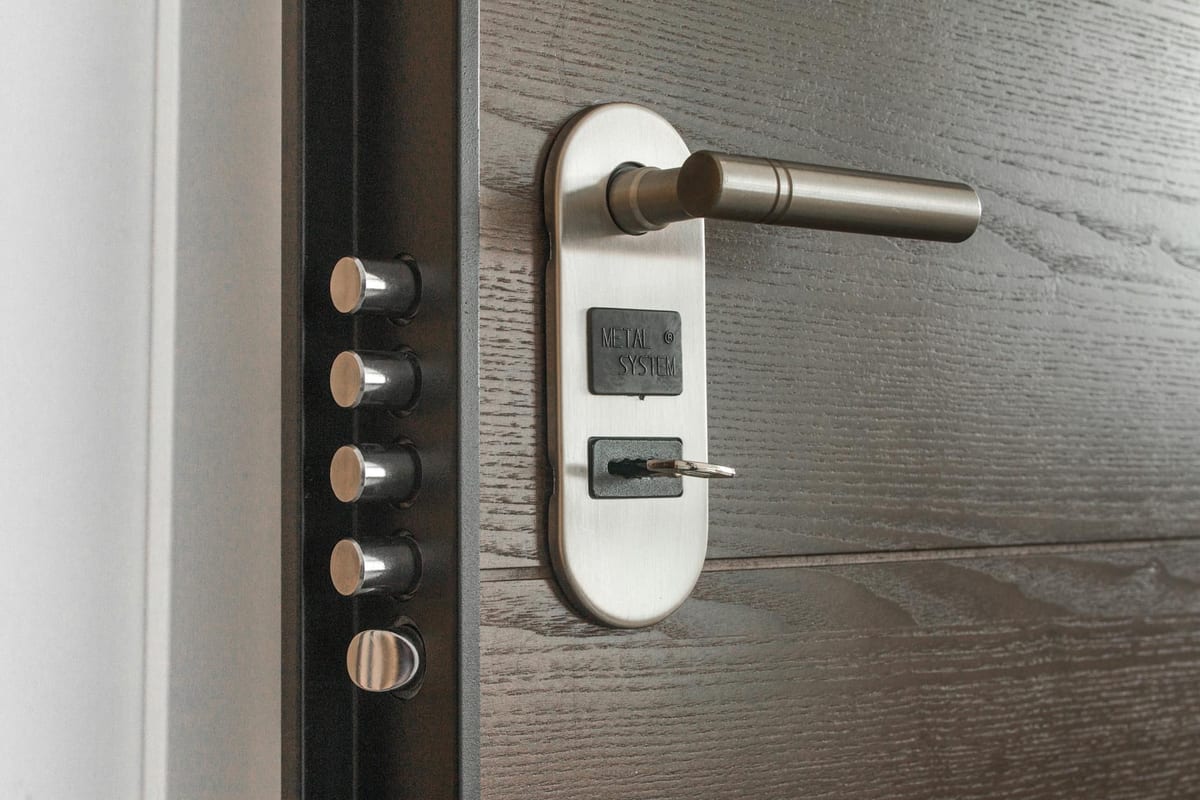
For a sound, compatible lock, rekeying can change the operating key while retaining much of the installed hardware. For a restricted or master-keyed system, establish who controls the key program before authorizing changes.
Separate Key Control From Mechanical Condition
A key change does not repair a door that binds, a latch that fails to engage, or a damaged frame. Describe these symptoms when requesting a visit. The necessary repair may involve only a component, or the condition may justify replacement.
Choose new hardware when the existing product is unsuitable for the door, cannot support the required access arrangement, or cannot be repaired satisfactorily. Compare the proposed model, fit, finish, and maintenance needs instead of assuming that a more expensive lock resolves every problem.
Include Electronic Access
Changing a physical key does not remove keypad codes, mobile credentials, app users, garage remotes, or access cards. For a connected lock, identify the account owner and the approved process for transferring administration and removing old users.
A smart lock with a mechanical cylinder can need both an electronic access reset and a mechanical rekey. Review each route into the property.
Questions for the Estimate
Ask which cylinders or components are included, how many keys will be supplied, whether the new keys will operate every intended door, and what testing will confirm the result. Clarify any work needed on the strike or frame and whether building approval is required.
For a fuller explanation, read the rekeying and changing locks guide. To arrange an assessment, send the hardware details or call (202) 830-0706.


For Washington DC service enquiries, call (202) 830-0706 with the location and a description of the problem.
Scope
Confirm the work needed
Call
Emergency Service Enquiries
Records
Keep the quote and invoice
Need to Know
Frequently Asked Questions
What does rekeying change?
On a compatible lock, rekeying changes the key combination in the cylinder so the previous operating key no longer works in that cylinder. Existing master-key relationships and other entrances need a separate review.
Does a damaged door require a whole new lock?
Not always. The fault may be in the key, cylinder, latch, strike, hinges, frame, or several parts. Inspection helps determine whether repair, a replacement cylinder, or a new lock assembly is appropriate.
Can all the doors use one key after rekeying?
Only when the cylinders and key systems are compatible with the proposed arrangement. Ask which doors can share a key and what would need replacement. Restricted or master-keyed systems may require the program owner’s approval.
Describe the Work and Discuss the Quote
Use the questions in this guide to clarify the work, charges, and any assessment needed. Call with the location and visible hardware details.
(202) 830-0706Call (202) 830-0706 to Discuss the Work
Call or send a photo of the problem. Include the location and ask about service options, pricing, and availability.