Government Property Enquiries
Dormitory Lock and Door Planning in Washington DC
Coordinate room hardware, shared entrances, and university access procedures
- Identify the authorized facilities or procurement contact.
- Confirm the requirements for the actual door and access system.
- Agree vendor eligibility, work scope, and acceptance records.
Qualifications
Facility Service Planning
Describe the Door, Lock, or Vehicle
Confirm the Scope and Full Quote
Prepare Property or Vehicle Authorization
Confirm Facility Vendor Requirements
Official housing authorization
Room and entrance distinction
Turnover and lost-key policy
Approved hardware and exit function
09 / 09
Contact DC Local Locksmith
Call or text with the location and a description of the work. Ask about availability and the full quote.
Service Scope
What This Service Includes
Official housing authorization
Separate room access from building access.
Room and entrance distinction
Evaluate the complete room opening.
Turnover and lost-key policy
Make turnover a documented process.
Approved hardware and exit function
Scope contractor participation.
Separate room access from building access
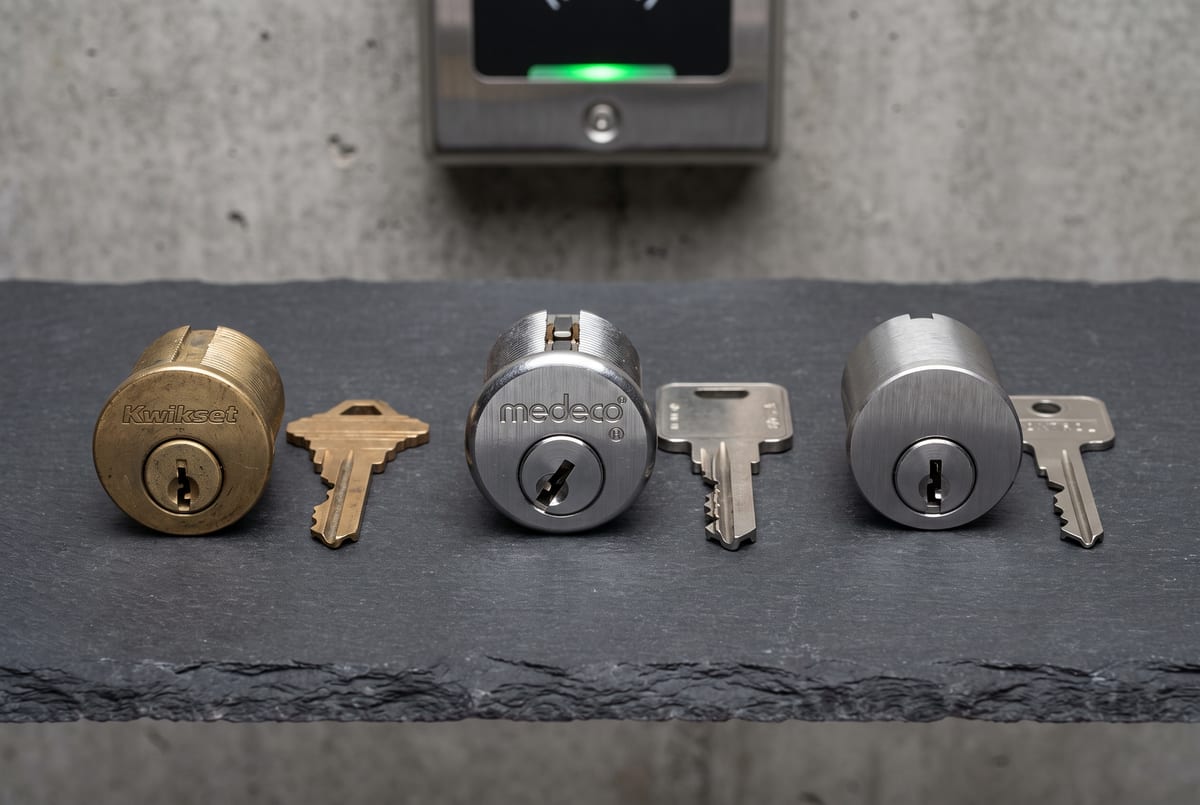
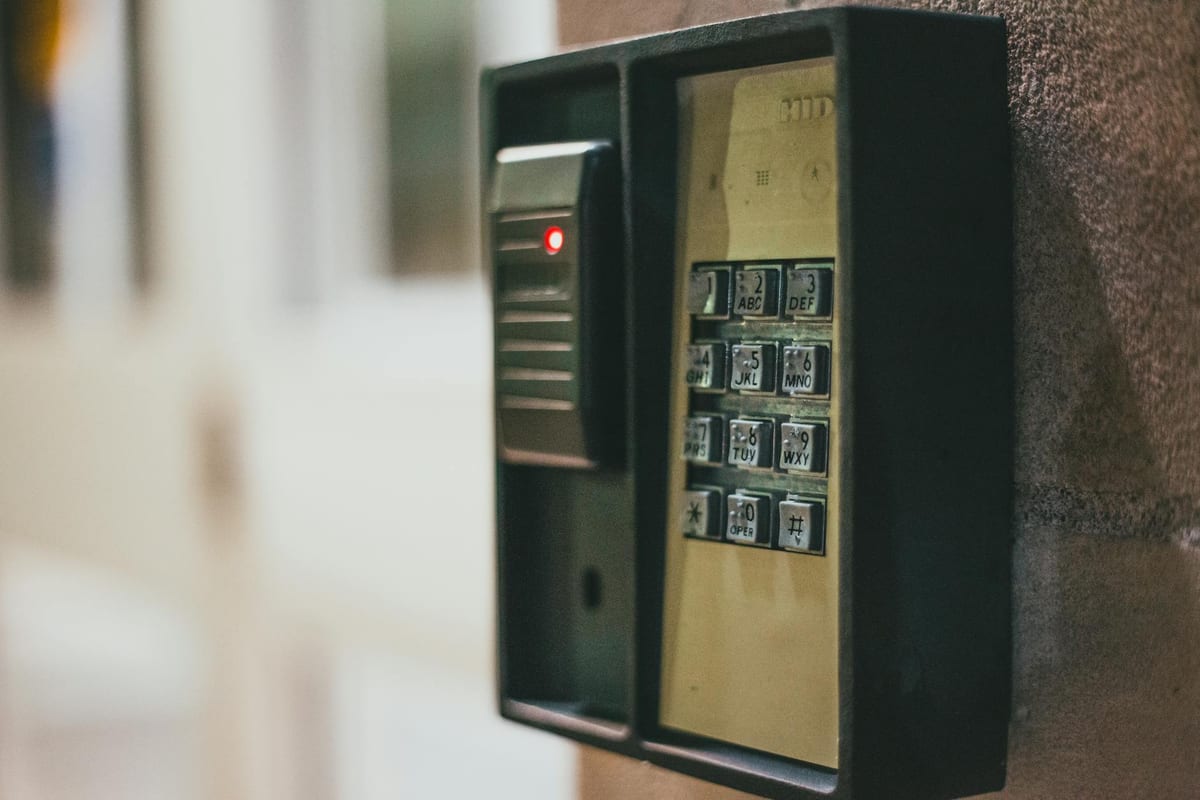
A card may open a hall entrance while a mechanical key or another credential operates an individual room. A loss in one system does not necessarily require the same action in the other. Campus staff should determine the appropriate lockout assistance, credential revocation, or rekey procedure; an outside service provider cannot assign campus permissions.
Evaluate the complete room opening
The assessment should cover door and frame condition, latching, closing, operating hardware, and any fire label. Residents need the required exit operation without creating an unauthorized way into adjacent rooms or shared spaces. Any change to a labelled assembly should be checked against its listing and the property’s applicable requirements.
Make turnover a documented process
Housing staff can identify the rooms changing occupants, unreturned keys, damaged parts, and access rights to remove. Rekeying every room on a fixed annual schedule is not a universal campus rule. Use the institution’s actual policy and authorized inventory, with a clear record of keys or credentials issued and returned.
Scope contractor participation
A facilities inquiry should include procurement requirements, approved work hours, supervision, and the campus contact who will test and accept the result. DC Local Locksmith does not claim a residence-hall contract or authority to alter campus systems without approval. For a private student rental, obtain the landlord’s authorization separately.
For a nonsensitive scope inquiry, contact DC Local Locksmith. Confirm authorization and the written work scope before arranging service.
Project Responsibilities
Separate Door Work from System Approval
| Project question | Physical opening | Access system and authority |
|---|---|---|
| Existing condition | Door, frame, labels, latch, closer, and support | Reader, controller, credential platform, and system owner |
| Required operation | Approved closing, latching, and exit functions | Authorized access and required authentication mechanism |
| Product evidence | Assembly documentation and permitted components | Exact approved products and deployment configuration |
| Fault behaviour | Specified response of the actual locking hardware | Agency-approved continuity and recovery policy |
| Acceptance | Agreed installation and functional records | Authorized tests and facility approval responsibilities |
The facility’s responsible authorities define the applicable requirements. A hardware repair does not certify the complete security programme.

Lock and Hardware Brands
















Facility Scope and Vendor Questions
We Answer the Phone.
Describe the proposed work and the facility’s vendor requirements. Confirm eligibility and scope before arranging access.
(202) 830-0706
Confirm Credential, Hardware, and Key-Control Requirements
Confirm personnel access requirements and hardware approval before scheduling work. Agree on the records the facility needs at completion.
(202) 830-0706The responsible facility team determines vendor eligibility and approves the proposed work.

Approval and Records
Ask the facility to identify the business documents, personnel authorization, site-access arrangements, and completion records required for the actual assignment. Verify those requirements before booking.
Confirm the Facility’s Requirements First
The responsible security or contracting officer should confirm vendor eligibility, personnel access, approved hardware, and the acceptance process before work is scheduled.
Discuss a facility requestCommon Questions
Dormitory Lock and Door Planning in Washington DC FAQs
Who should handle a university-owned door or campus credential problem?
Contact the institution’s housing, facilities, or card-support team first. The university controls campus access and must authorize any outside work. Private off-campus properties require their owner or manager’s approval.
Who determines whether a contractor may access the site?
The responsible facility or agency authority confirms vendor eligibility, required personnel authorization, escorts, and site-access conditions for the actual assignment.
Does FIPS 201 certify an ordinary mechanical lock?
No. FIPS 201 concerns the PIV identity system. The agency and PACS integrator must define the required authentication method, approved configuration, and the separate physical door-hardware scope.
What should a diplomatic-property enquiry include?
Provide a nonsensitive scope, authorized mission contact, vendor requirements, and permitted work details. Use the mission’s approved channel for controlled plans or access records.
Who should handle a university-owned room lockout?
Use the institution’s housing, facilities, or security support first. The university controls campus keys and credentials and must approve any outside work.
How should urgent access problems be handled?
Follow the facility’s approved emergency and vendor procedures. Confirm current service availability and authorization for the actual property; urgency does not establish contractor eligibility.
How are PIV-related products checked?
The authorized integrator should verify the exact product, version, configuration, and applicable GSA Approved Products List requirements. A manufacturer’s presence on a list does not approve its entire catalogue.
What belongs in the written work scope?
Identify affected openings, approved parts, installation limits, site access, tests, acceptance responsibility, and records. Distinguish the contractor’s completion record from any facility accreditation or compliance decision.
Related Categories
University Door and Lock Inquiries
University-owned doors and access credentials are managed through the institution’s housing, facilit...
Lock Help Near Georgetown University
Georgetown University manages its residence-hall keys and digital access through its own teams....
Lock Help Near American University
If an American University residence-hall door or One Card is causing a problem, use the university’s...
Lock Help Near Howard University
Howard University controls its residence-hall access and Bison One Card system....
Commercial Access Control
Review the door hardware, credential system, and approved operating requirements.
Commercial Door Repair
Describe hinge, frame, closer, or latching faults for a repair scope.
Business Lockout Enquiries
Confirm property authorization, the affected lock, and current service availability.
Begin the Vendor Qualification Process
Discuss an Authorized Project
Contact us to discuss the proposed scope. The facility must confirm vendor eligibility and personnel access before a site visit.