Government Property Enquiries
International Lock and Door Standards in Washington DC
Compare exact products and requirements without assuming that different national grades are equivalent
- Identify the authorized facilities or procurement contact.
- Confirm the requirements for the actual door and access system.
- Agree vendor eligibility, work scope, and acceptance records.
Qualifications
Facility Service Planning
Describe the Door, Lock, or Vehicle
Confirm the Scope and Full Quote
Prepare Property or Vehicle Authorization
Confirm Facility Vendor Requirements
Exact standard and edition
Measured mechanical compatibility
Applicable local requirements
Confirmed model and availability
09 / 09
Contact DC Local Locksmith
Call or text with the location and a description of the work. Ask about availability and the full quote.
Service Scope
What This Service Includes
Exact standard and edition
Record the exact standard and product.
Measured mechanical compatibility
Measure before selecting a replacement.
Applicable local requirements
Resolve local requirements with the project team.
Confirmed model and availability
Prepare an achievable procurement scope.
Record the exact standard and product
DIN, BS, EN, and ANSI/BHMA designations address different product categories and test requirements. Do not convert a DIN or British lock designation into an ANSI/BHMA grade by a simple numerical comparison. The BHMA technical FAQ explains that performance grading depends on the applicable hardware standard. Confirm the edition and scope on the actual test or certification evidence.
Measure before selecting a replacement
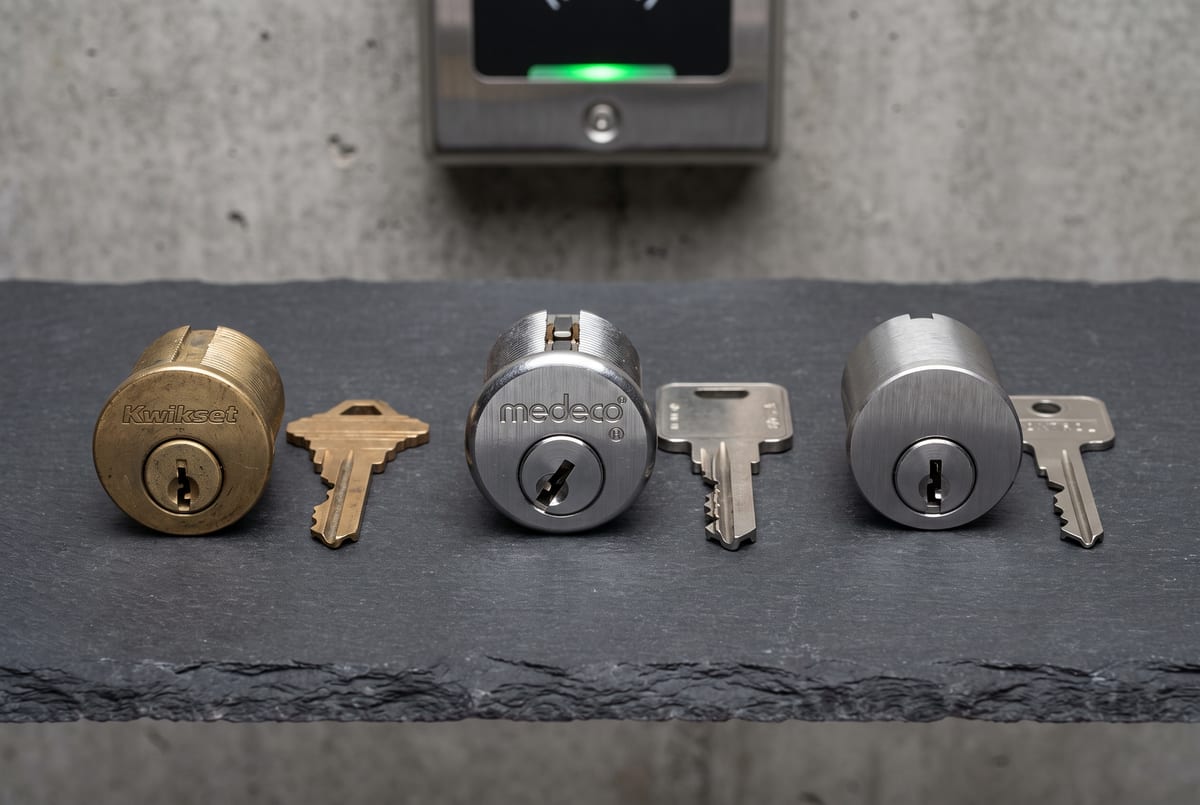
Check the lock-case dimensions, backset, centre spacing, faceplate, spindle, handing, cylinder format, and door thickness. Similar-looking components may not interchange. If a labelled or otherwise tested assembly is involved, confirm whether the proposed alteration is permitted before machining the door or frame. A supplier’s catalogue is not confirmation that a particular part is in stock.
Resolve local requirements with the project team
An imported lock acceptable in another country may need a different operating arrangement at a Washington DC property. The building and security authorities should assess egress, accessibility, fire protection, and any diplomatic facility requirements. For heritage doors, coordinate finish and modification decisions with the owner and relevant preservation review.
Prepare an achievable procurement scope
Ask for the exact replacement model, documented availability, lead time, installation scope, and written warranty terms. Where a like-for-like part cannot be sourced, obtain approval for an alternative before changing the opening.
For a nonsensitive scope inquiry, contact DC Local Locksmith. Confirm authorization and the written work scope before arranging service.
Project Responsibilities
Separate Door Work from System Approval
| Project question | Physical opening | Access system and authority |
|---|---|---|
| Existing condition | Door, frame, labels, latch, closer, and support | Reader, controller, credential platform, and system owner |
| Required operation | Approved closing, latching, and exit functions | Authorized access and required authentication mechanism |
| Product evidence | Assembly documentation and permitted components | Exact approved products and deployment configuration |
| Fault behaviour | Specified response of the actual locking hardware | Agency-approved continuity and recovery policy |
| Acceptance | Agreed installation and functional records | Authorized tests and facility approval responsibilities |
The facility’s responsible authorities define the applicable requirements. A hardware repair does not certify the complete security programme.

Lock and Hardware Brands













Facility Scope and Vendor Questions
We Answer the Phone.
Describe the proposed work and the facility’s vendor requirements. Confirm eligibility and scope before arranging access.
(202) 830-0706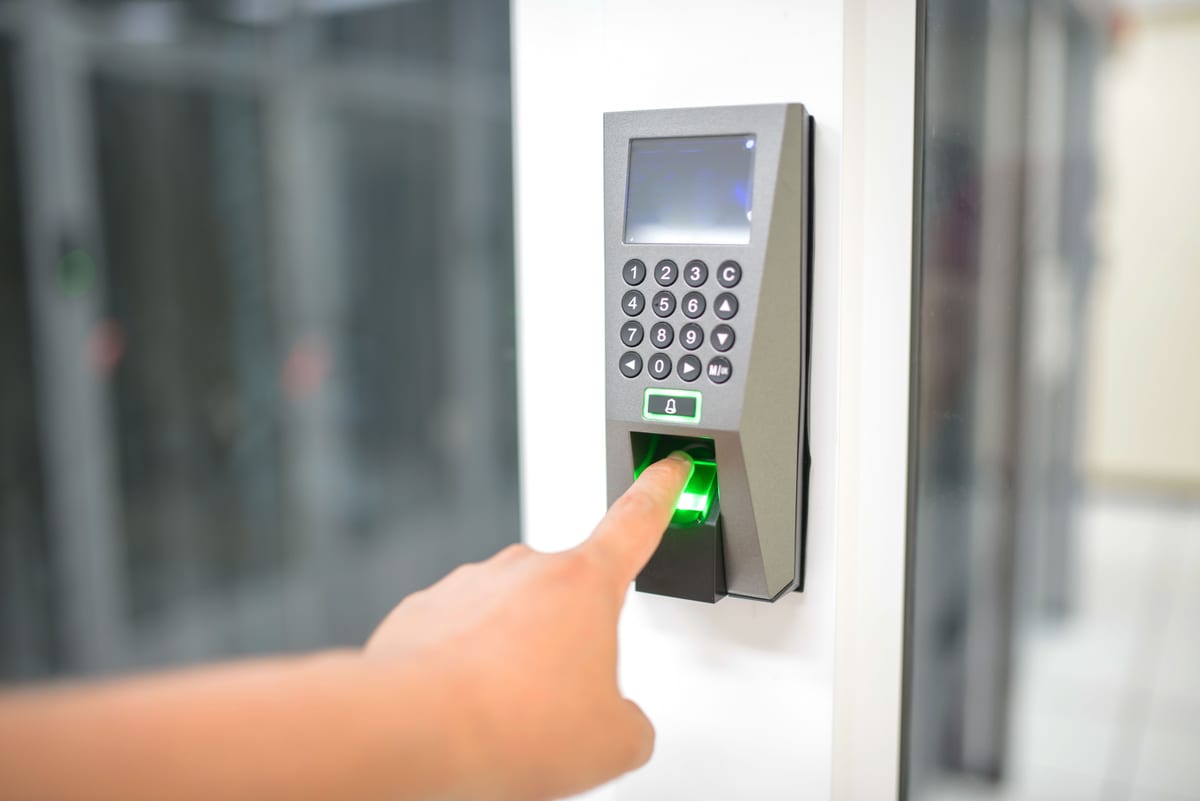
Confirm Credential, Hardware, and Key-Control Requirements
Confirm personnel access requirements and hardware approval before scheduling work. Agree on the records the facility needs at completion.
(202) 830-0706The responsible facility team determines vendor eligibility and approves the proposed work.
Approval and Records
Ask the facility to identify the business documents, personnel authorization, site-access arrangements, and completion records required for the actual assignment. Verify those requirements before booking.
Confirm the Facility’s Requirements First
The responsible security or contracting officer should confirm vendor eligibility, personnel access, approved hardware, and the acceptance process before work is scheduled.
Discuss a facility requestCommon Questions
International Lock and Door Standards in Washington DC FAQs
What information should an authorized inquiry include?
Provide the property location, the door or lock problem, the responsible contact, and any vendor or site-access requirements. Use an approved channel for sensitive facility or credential information.
Who determines whether a contractor may access the site?
The responsible facility or agency authority confirms vendor eligibility, required personnel authorization, escorts, and site-access conditions for the actual assignment.
Does FIPS 201 certify an ordinary mechanical lock?
No. FIPS 201 concerns the PIV identity system. The agency and PACS integrator must define the required authentication method, approved configuration, and the separate physical door-hardware scope.
What should a diplomatic-property enquiry include?
Provide a nonsensitive scope, authorized mission contact, vendor requirements, and permitted work details. Use the mission’s approved channel for controlled plans or access records.
Who should handle a university-owned room lockout?
Use the institution’s housing, facilities, or security support first. The university controls campus keys and credentials and must approve any outside work.
How should urgent access problems be handled?
Follow the facility’s approved emergency and vendor procedures. Confirm current service availability and authorization for the actual property; urgency does not establish contractor eligibility.
How are PIV-related products checked?
The authorized integrator should verify the exact product, version, configuration, and applicable GSA Approved Products List requirements. A manufacturer’s presence on a list does not approve its entire catalogue.
What belongs in the written work scope?
Identify affected openings, approved parts, installation limits, site access, tests, acceptance responsibility, and records. Distinguish the contractor’s completion record from any facility accreditation or compliance decision.
Related Categories
Embassy Door and Lock Planning
A diplomatic property inquiry should come from an authorized facilities or security contact....
Diplomatic Property Door Planning
Diplomatic security encompasses more than a lock installation....
Embassy Row Lock and Door Inquiries
Embassy Row combines diplomatic properties, residences, and offices with varied door hardware and bu...
Commercial Access Control
Review the door hardware, credential system, and approved operating requirements.
Commercial Door Repair
Describe hinge, frame, closer, or latching faults for a repair scope.
Business Lockout Enquiries
Confirm property authorization, the affected lock, and current service availability.
Begin the Vendor Qualification Process
Discuss an Authorized Project
Contact us to discuss the proposed scope. The facility must confirm vendor eligibility and personnel access before a site visit.