DC Business Security
Commercial Safe Installation in Washington DC
Plan the safe, its location, and the work required to install it
- Describe the entrance, existing hardware, and access needs.
- Confirm who controls keys and authorizes access changes.
- Agree on specifications, scope, and the required service records.
Credentials
Prepare for Commercial Locksmith Work
Describe the Door, Lock, or Vehicle
Confirm the Scope and Full Quote
Prepare Property or Vehicle Authorization
Document Who Needs Access
05 / 05
Contact DC Local Locksmith
Call or text with the location and a description of the work. Ask about availability and the full quote.
What We Offer
Rating Review
Read the safe’s actual burglary and fire labels and compare them with your insurer’s requirements.
Site and Delivery Survey
Check floor capacity, clearances, stairs, elevators, and any specialist moving requirements.
Anchoring Plan
Use manufacturer-approved fixing points and a suitable substrate after checking hidden services.
Safe Lock Compatibility
Verify the exact lock, keypad, container compatibility, listing, and required user functions.
Choose a Safe for the Actual Risk
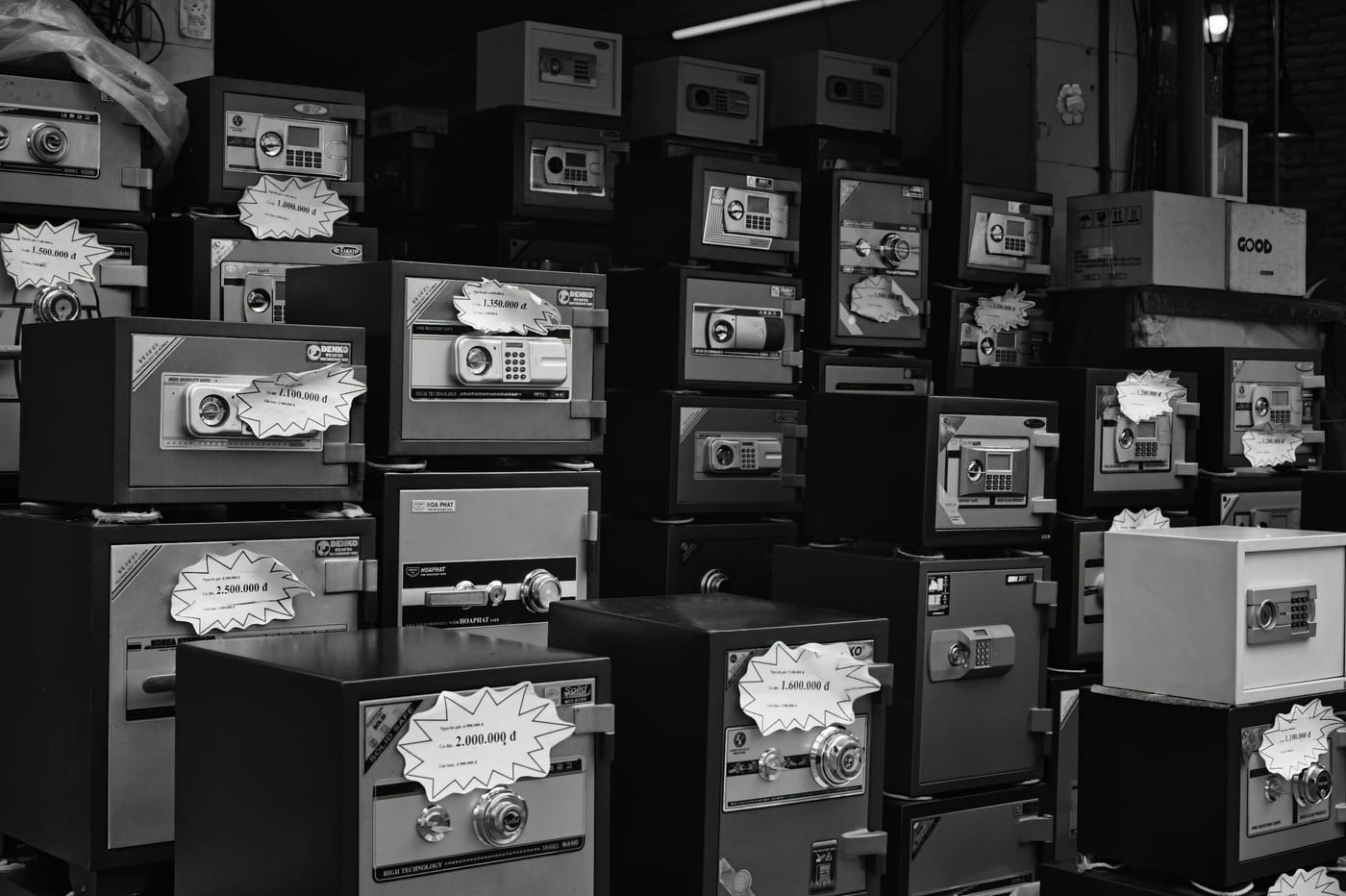
Cash drops, records storage, and high-value inventory present different requirements. A depository opening supports deposits without opening the main compartment, but it does not by itself establish a burglary rating, protect every deposit from theft, or make the safe suitable for overnight storage. Confirm the exact model and the insurer’s requirements.
Read the Complete Rating
UL 687 distinguishes tool-resistant classes, the faces subjected to attack, and separate torch or explosive classifications. TL-30 is not an explosives rating. Test minutes refer to net working attack time under defined conditions, not a guarantee that every attacker will be delayed for the same elapsed time.
Fire protection is a separate consideration. Check the container’s actual fire label and the kind of contents it covers; a burglary rating does not establish fire protection.
Survey the Location and Route
For a Georgetown shop or an upper-floor Downtown DC office, record the safe’s dimensions and weight, stair and doorway clearances, elevator limits, and proposed location. Have floor capacity and any anchoring restrictions assessed by the appropriate party. Heavy moving and rigging need a clearly assigned specialist scope.
Anchoring should follow the safe manufacturer’s instructions. Confirm substrate condition, approved fixing points, hidden services, and any post-tensioned slab restrictions before drilling. Do not assume a lock-service quote includes scanning, structural assessment, or safe transportation.
Select Lock Functions by Model
A compatible electronic lock may offer multiple users, time delay, or event records, but those features are not universal. S&G’s published certificate for models 6128 and 6129 illustrates why listing claims must identify the model. Verify current documentation and the safe manufacturer’s approval for any conversion.
Call (202) 830-0706 with the safe model and site details. Confirm each party’s responsibilities, availability, installation method, and charges before authorizing work.
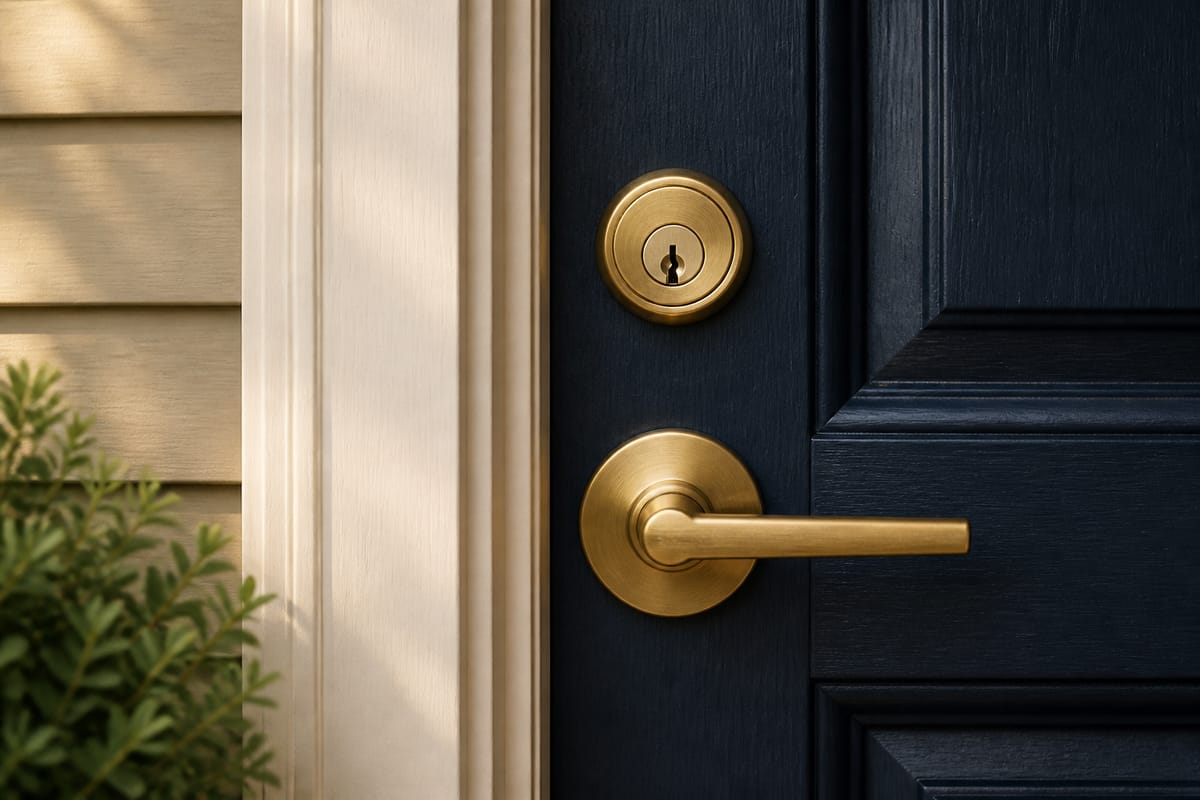
Security Comparison
Mechanical Key Control and Electronic Access
| Planning Question | Mechanical Keys | Electronic Credentials |
|---|---|---|
| Issuing access | Track authorized keys and who holds them | Assign permissions in the supported system |
| Removing access | May require rekeying when an unreturned key still works | Deactivate credentials through the system administrator |
| Records | Depends on the key register and issue process | Depends on configured logs and retention settings |
| Compatibility | Confirm cylinders, keyways, and key-system authority | Confirm readers, controllers, software, and door hardware |
A restricted key program is only effective with a documented authorization process. Electronic access does not by itself establish regulatory compliance.
Lock and Hardware Brands















Questions About Commercial Security?
We Answer the Phone.
Site assessments available business hours and after hours. Quoted before dispatch.
(202) 830-0706
Panic Hardware, Access Control, and Master Keys for DC Businesses
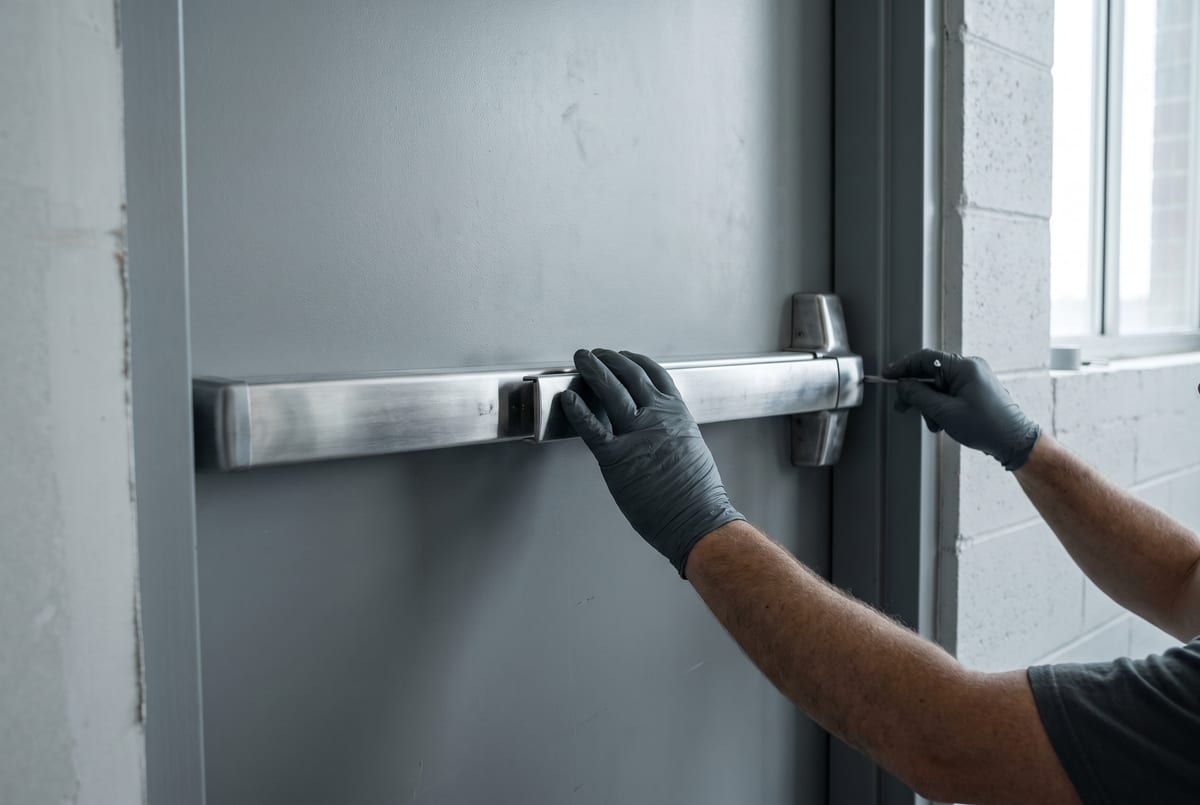
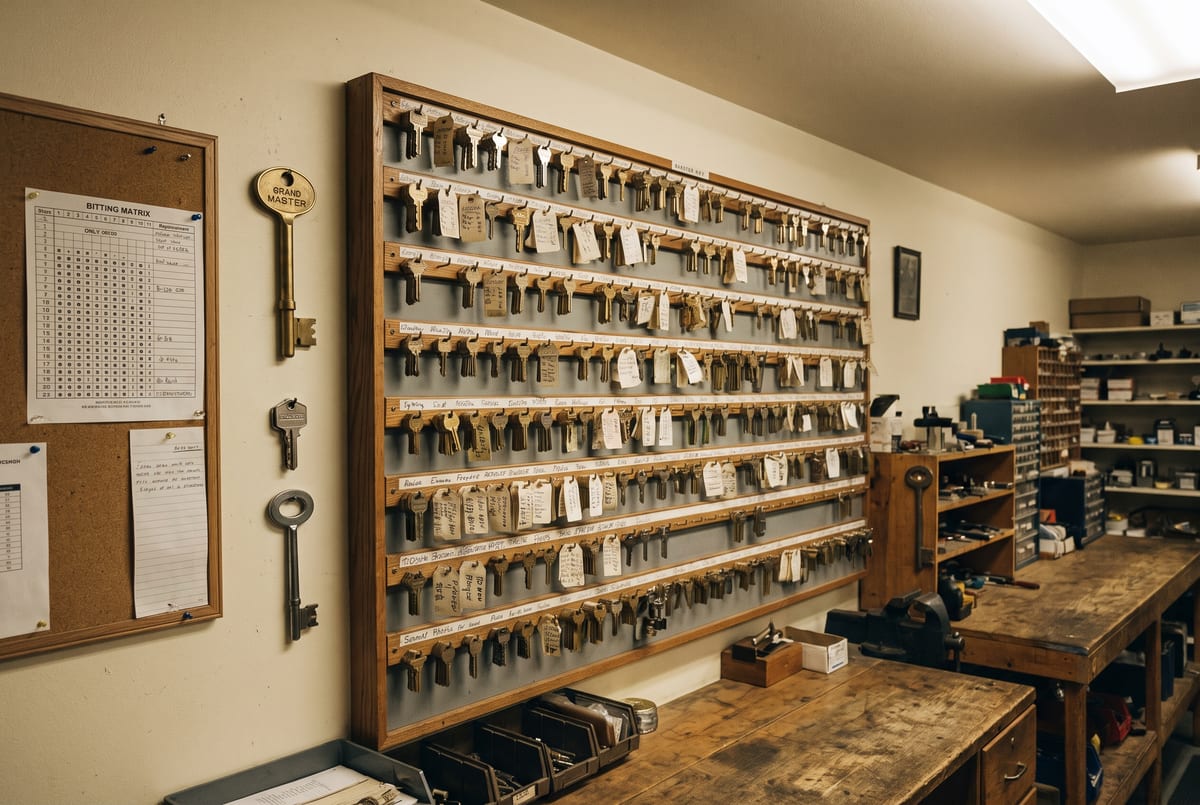
Discuss panic hardware, master-key systems, and card-access readers with the opening and access needs in mind. Confirm the assessment, proposed work, required approvals, pricing, and any applicable written warranty before authorizing service.
(202) 830-0706
Confirm the affected doors, access needs, and work window before a commercial service visit.
Common Questions
Commercial Safe Installation in Washington DC FAQs
What do UL TL-15 and TL-30 mean?
These are tool-resistance classifications with 15 or 30 minutes of net working attack time in the defined test. Standard TL-15 and TL-30 attack testing concerns the door and front face; X6 classifications extend attack testing to the body. They are not promises of a particular burglary duration in the field.
Does TL-30 include testing with explosives?
No. UL 687 distinguishes tool-resistant TL classes, torch-and-tool-resistant TRTL classes, and a separate explosive-and-tool classification. Do not describe TL-30 as an explosive-resistance rating.
Does anchoring make a safe immovable?
No. Correct anchoring can resist removal, but its performance depends on the safe, fasteners, substrate, and installation. Follow the container manufacturer’s instructions and obtain any structural or building approval needed.
Do all Sargent and Greenleaf or SecuRam locks have the same UL listing?
No. Verify the exact model and current certification. UL Subject 2058 covers high-security electronic locks, and S&G publishes certification for specific models, but that does not establish a brand-wide listing or an installer’s authorization.
Does every electronic safe lock record user activity?
No. User capacity, time delay, event logs, and export methods vary by model. Confirm the required functions and compatible container before selecting a lock.
Can a safe go on an upper floor?
The safe’s weight, concentrated floor load, delivery route, elevator capacity, and anchoring requirements need assessment. Specialist moving or structural input may be necessary; confirm who will provide that work and its scope.
What should a commercial locksmith request include?
Identify the affected entrances, existing hardware, operational problem, and authorized site contact. Include work-hour restrictions and any building-approved specifications.
Can the existing key system be retained?
That depends on the cylinder format, keyway, system records, and who controls the key program. Provide the existing hardware details before ordering replacement cylinders or keys.
What should be checked for an exit door?
The complete opening matters, including the door, frame, latch, closer, exit hardware, and any electrical controls. Confirm the applicable egress, accessibility, and fire-rating requirements for that opening with the responsible building team.
How should access-control work be scoped?
Document the present system, exact hardware, software administrator, electrical interfaces, and required entry and exit behavior. Confirm product compatibility and responsibility for each part of the work.
Plan Around Your Building’s Access Needs
List the affected doors, business hours, and who needs access. Check with the property manager before changing a shared key system or hardware on an exit door.
Commercial access planningQuote Process
Describe the Job. Request a Quote.
Tell us what needs attention and where the job is. Photos of visible hardware can help explain the problem. Ask what the proposed price includes and whether an on-site assessment is needed before the scope can be confirmed.
Text a Photo
(202) 830-0706
Include the location, a short description, and a clear photo of the visible hardware.
Call About the Job
(202) 830-0706
Explain the problem and check current availability, proposed charges, and whether a site assessment is needed.
Contact Form
Send a Message
Describe the problem and your preferred timing. Confirm availability and pricing before arranging work.
Related Categories
Commercial Safe Services
Commercial safe service inquiries in Washington DC. Identify the container and lock, verify authoriz...
Commercial High-Security Locks
Commercial high-security lock planning in DC. Compare attack resistance, model-specific listings, cy...
Server Room and Data Center Access Planning
Plan door, cabinet, and access-control work for DC server rooms. Review hardware compatibility, entr...
Law Firm Security Systems
Law office lock and access planning in Washington DC. Review suite entry, confidential storage, staf...
Medeco M3 Security Systems
Medeco M3 lock service planning in Washington DC. Identify cylinder format, key-control arrangements...
Federal Building Security and Key Control
Key and access-control planning for institution-specific requirements.
Emergency Office Lockout Service in DC
Describe an office access problem and confirm authorization and current availability.
Commercial Door Installation and Repair
Door installation and repair planning for DC storefronts and offices.
Ready to Secure Your Facility?
Schedule a Site Assessment
Describe the business property and confirm the written scope and quote before booking.