
DC Business Security
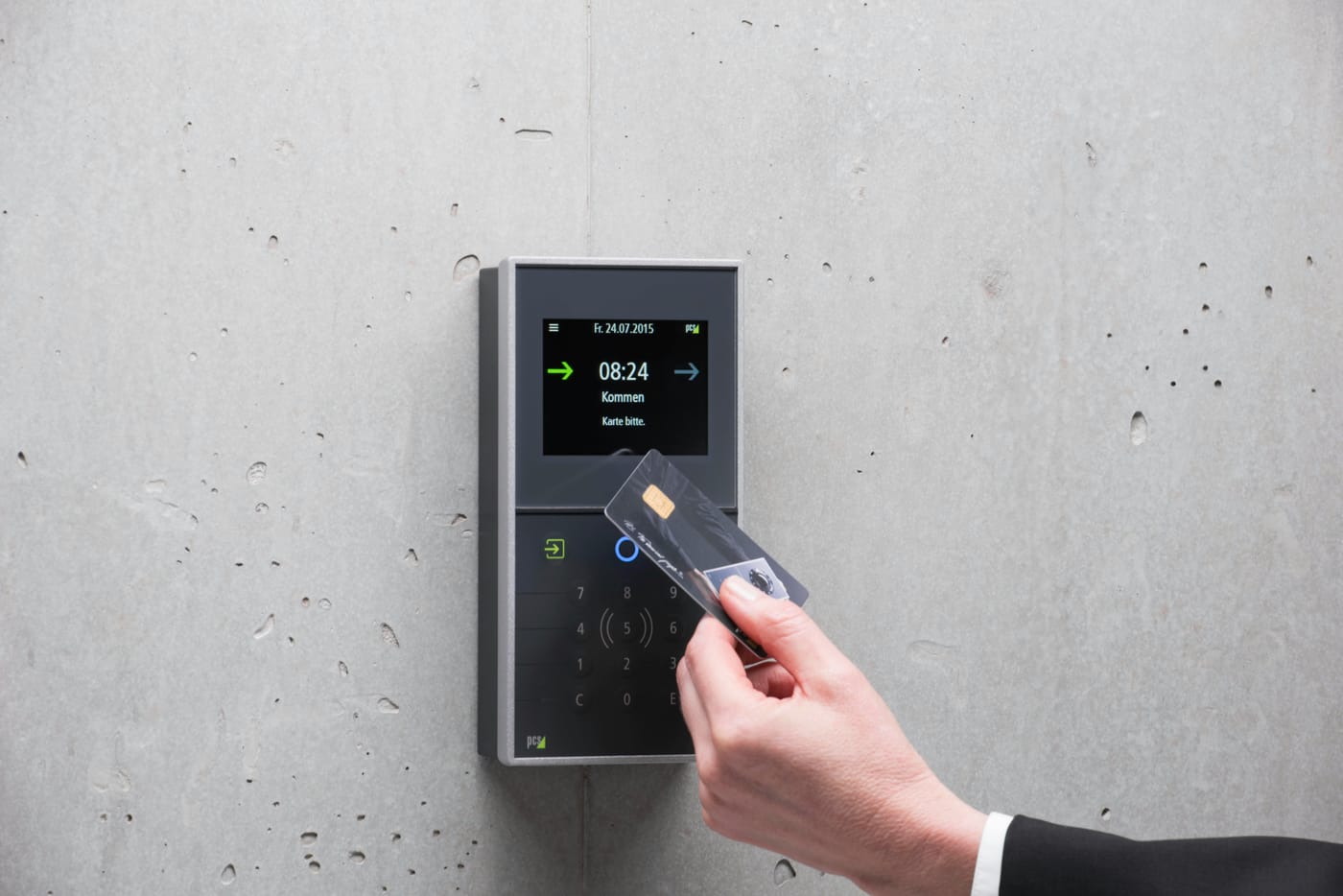
Commercial Card Readers in Washington DC
Choose credentials and readers that work with the whole access system
- Describe the entrance, existing hardware, and access needs.
- Confirm who controls keys and authorizes access changes.
- Agree on specifications, scope, and the required service records.
Credentials
Prepare for Commercial Locksmith Work
Describe the Door, Lock, or Vehicle
Confirm the Scope and Full Quote
Prepare Property or Vehicle Authorization
Document Who Needs Access
05 / 05
Contact DC Local Locksmith
Call or text with the location and a description of the work. Ask about availability and the full quote.
What We Offer
Credential Technology
Compare legacy proximity credentials with supported cryptographic smart-card options.
Controller Compatibility
Check the reader interface, credential format, firmware, wiring, and security settings.
Access Administration
Define who enrolls users, revokes credentials, reviews events, and manages system accounts.
Door and Power Planning
Confirm lock function, exit requirements, backup power, and outage behavior.
Start With the System Already in the Building
Record the controller, reader, credential, and software models. A new reader may accept the physical card while failing to support its secure application. Compatibility needs to cover the credential technology, configured format, communication protocol, and controller settings.
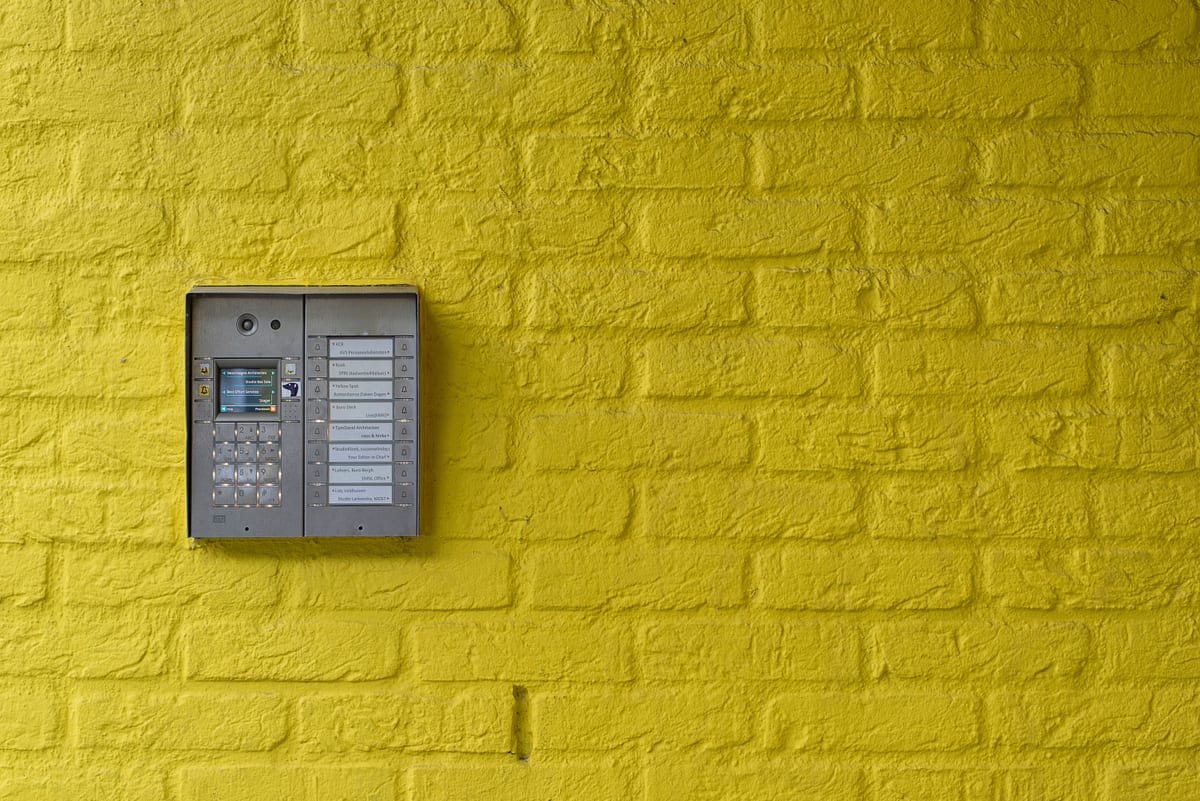
For a Downtown DC office or a Navy Yard apartment building, include staff, visitors, contractors, and deliveries in the access plan. Confirm who owns the administrative account and who can approve a replacement credential.
Compare Credentials Without Absolute Guarantees
Legacy proximity credentials and modern cryptographic smart cards have different security properties. A smart-card brand name alone does not establish resistance to cloning: exact products and configuration matter. Plan how older credentials and insecure reader modes will be retired during a migration.
Coordinate Physical Door Work
An electric strike, magnetic lock, or electrified lockset must suit the opening and its approved exit function. Reader installation does not establish fire, accessibility, or sector-specific compliance.
Agree on Operation and Support
The commercial access-control overview covers responsibilities, outages, and handover. Include backups, administrator access, subscriptions, lost-card handling, and ongoing support in the scope. Compare networked management with local programming based on actual needs rather than a fixed door-count rule.
Call (202) 830-0706 with the existing system and proposed doors. Ask which work requires a site assessment and confirm the quote’s inclusions before scheduling.
Security Comparison
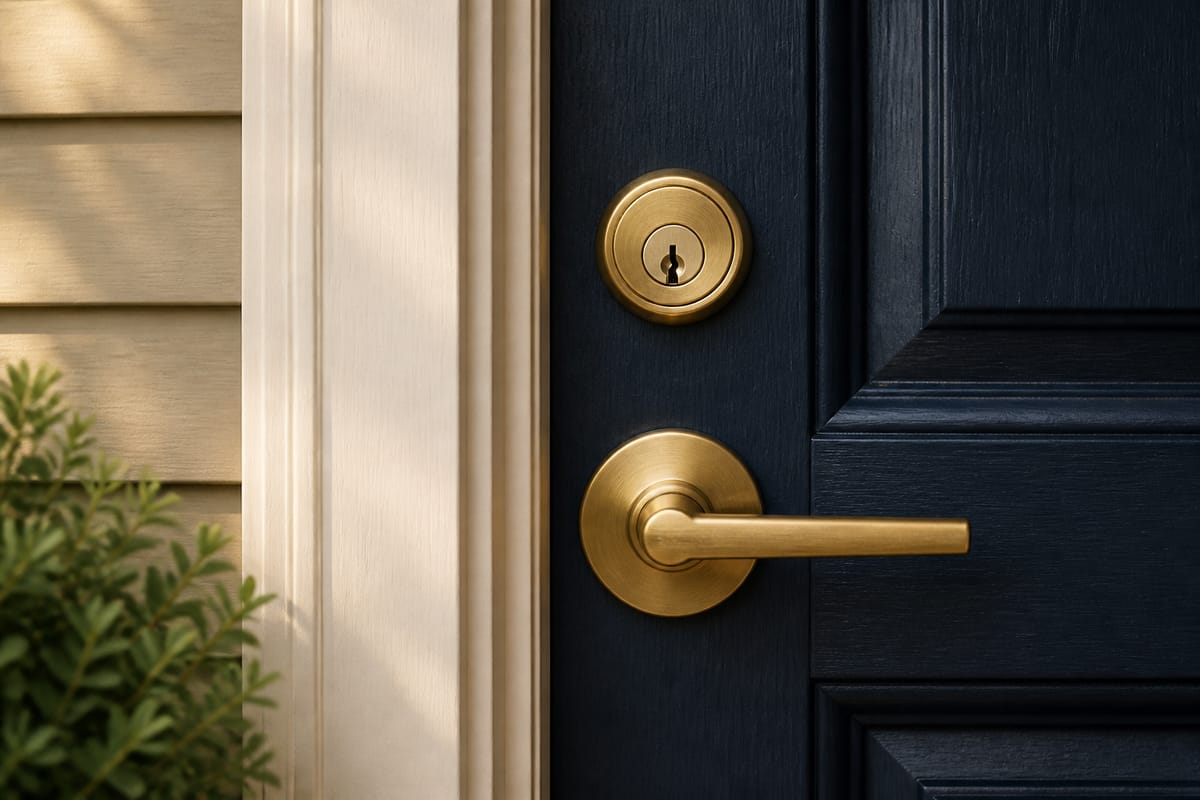
Mechanical Key Control and Electronic Access
| Planning Question | Mechanical Keys | Electronic Credentials |
|---|---|---|
| Issuing access | Track authorized keys and who holds them | Assign permissions in the supported system |
| Removing access | May require rekeying when an unreturned key still works | Deactivate credentials through the system administrator |
| Records | Depends on the key register and issue process | Depends on configured logs and retention settings |
| Compatibility | Confirm cylinders, keyways, and key-system authority | Confirm readers, controllers, software, and door hardware |
A restricted key program is only effective with a documented authorization process. Electronic access does not by itself establish regulatory compliance.
Lock and Hardware Brands

















Questions About Commercial Security?
We Answer the Phone.
Site assessments available business hours and after hours. Quoted before dispatch.
(202) 830-0706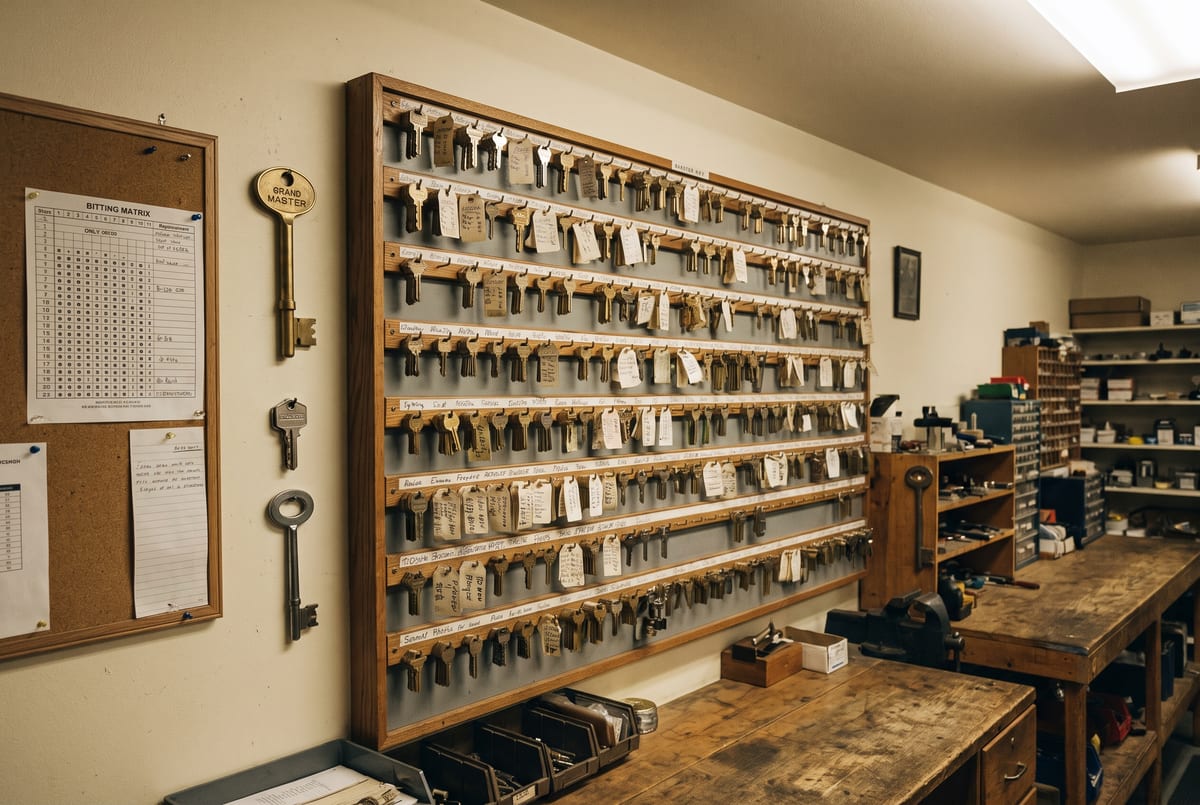
Panic Hardware, Access Control, and Master Keys for DC Businesses
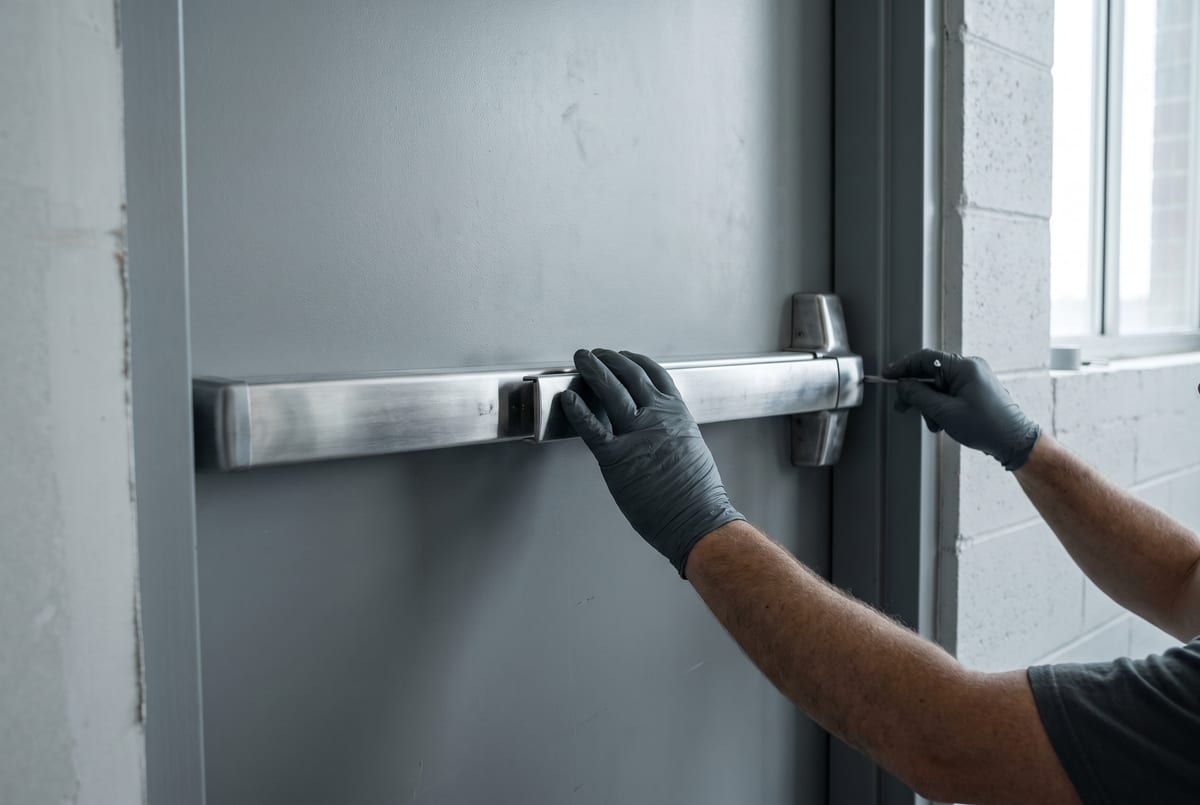
Discuss panic hardware, master-key systems, and card-access readers with the opening and access needs in mind. Confirm the assessment, proposed work, required approvals, pricing, and any applicable written warranty before authorizing service.
(202) 830-0706
Confirm the affected doors, access needs, and work window before a commercial service visit.
Common Questions
Commercial Card Readers in Washington DC FAQs
Are encrypted cards impossible to clone?
No system should be described that way. Modern cryptographic credentials can improve resistance to copying, but security also depends on the exact credential generation, reader configuration, key management, and controller connection.
Does an event log prove who entered?
A log may record a credential transaction or door event. It does not by itself prove who held the credential or how many people entered.
Must a technician visit to change a standalone reader’s users?
Not necessarily. Programming methods vary by product and can include administrator cards, keypads, apps, or local tools. Check the exact device rather than assuming all standalone systems work alike.
Does revocation take effect immediately everywhere?
It depends on controller connectivity, cached permissions, offline locks, and synchronization. Confirm how the selected system handles each opening and test the agreed procedure.
What should a commercial locksmith request include?
Identify the affected entrances, existing hardware, operational problem, and authorized site contact. Include work-hour restrictions and any building-approved specifications.
Can the existing key system be retained?
That depends on the cylinder format, keyway, system records, and who controls the key program. Provide the existing hardware details before ordering replacement cylinders or keys.
What should be checked for an exit door?
The complete opening matters, including the door, frame, latch, closer, exit hardware, and any electrical controls. Confirm the applicable egress, accessibility, and fire-rating requirements for that opening with the responsible building team.
How should access-control work be scoped?
Document the present system, exact hardware, software administrator, electrical interfaces, and required entry and exit behavior. Confirm product compatibility and responsibility for each part of the work.
Can a business schedule work outside its opening hours?
Explain the required work window and ask what is currently available. Confirm any after-hours charges, authorized access arrangements, and how the entrance will remain usable during the work.
What should a written quote describe?
Ask for the hardware, labor, service charges, assessment requirements, exclusions, and approval process for changes. A photo may help prepare the discussion; complex work can require a site assessment.
Plan Around Your Building’s Access Needs
List the affected doors, business hours, and who needs access. Check with the property manager before changing a shared key system or hardware on an exit door.
Commercial access planningQuote Process
Describe the Job. Request a Quote.
Tell us what needs attention and where the job is. Photos of visible hardware can help explain the problem. Ask what the proposed price includes and whether an on-site assessment is needed before the scope can be confirmed.
Text a Photo
(202) 830-0706
Include the location, a short description, and a clear photo of the visible hardware.
Call About the Job
(202) 830-0706
Explain the problem and check current availability, proposed charges, and whether a site assessment is needed.
Contact Form
Send a Message
Describe the problem and your preferred timing. Confirm availability and pricing before arranging work.
Related Categories
Commercial Access Control in Washington DC
Discuss access-control work in DC. Review doors, credentials, controller compatibility, operating re...
Biometric Access Systems for DC Businesses
Compare biometric credentials, enrollment, privacy, fallback access, and system integration for Wash...
Mobile Credentials
Unlock doors with your smartphone. Upgrade your DC business to mobile credentials using Bluetooth an...
Electric Strike Installation and Repair in DC
Plan electric strike repair or replacement in Washington DC. Check latch compatibility, frame prepar...
Keyless Entry Systems
Upgrade to keyless entry with standalone electronic keypad locks, mechanical push-button locks, and ...
Federal Building Security and Key Control
Key and access-control planning for institution-specific requirements.
Emergency Office Lockout Service in DC
Describe an office access problem and confirm authorization and current availability.
Commercial Door Installation and Repair
Door installation and repair planning for DC storefronts and offices.
Ready to Secure Your Facility?
Schedule a Site Assessment
Describe the business property and confirm the written scope and quote before booking.